
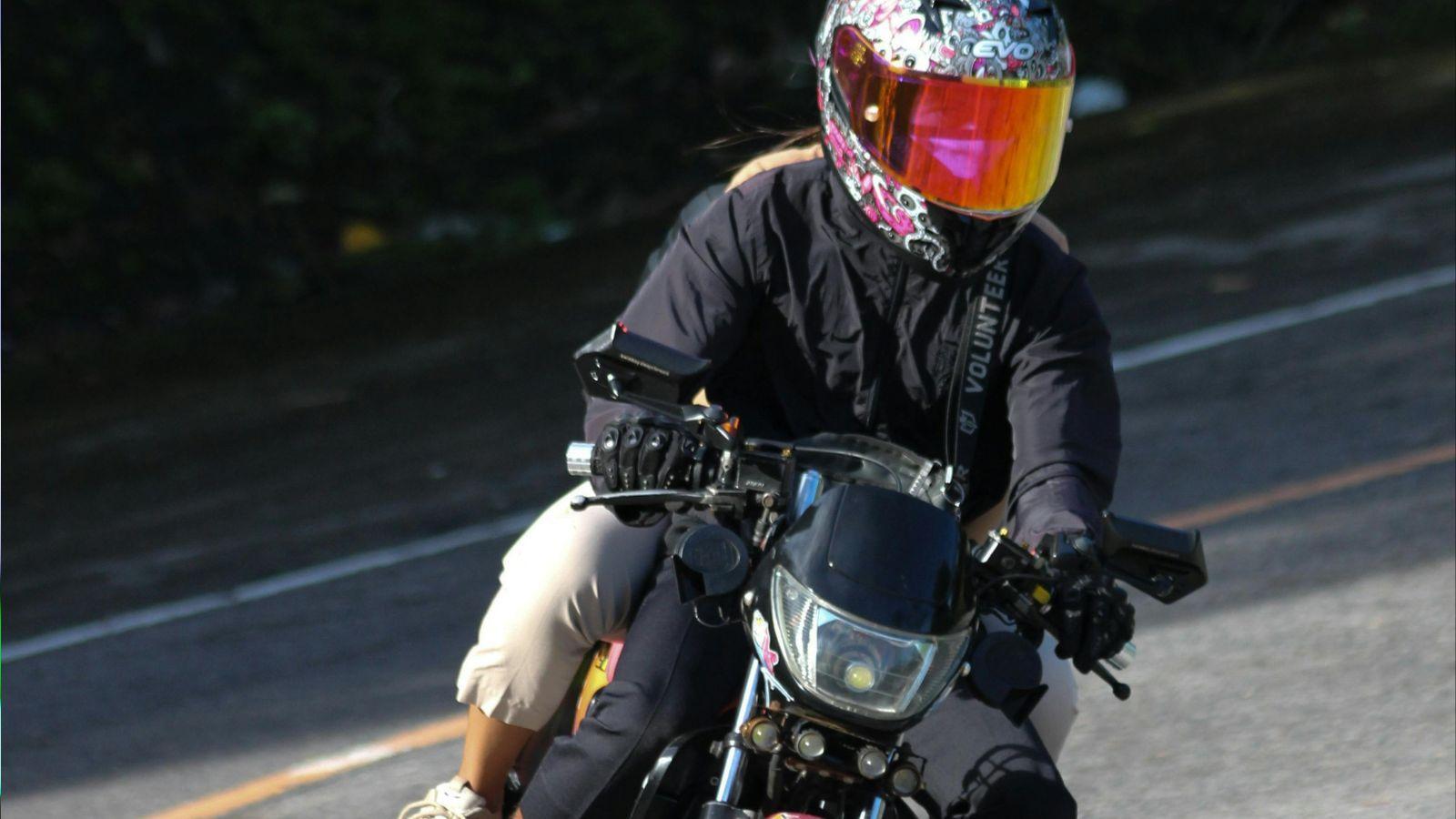
The freedom of the open road is a defining part of the Las Vegas lifestyle for many riders. There’s a unique sense of exhilaration that comes from navigating the desert landscape or the bright lights of the Strip on two wheels. Naturally, many parents want to share that passion and sense of adventure with their children as they grow.
However, taking a young passenger on a motorcycle comes with serious responsibility and a strong commitment to safety. Unlike a passenger vehicle with a reinforced frame and seatbelts, a motorcycle offers very little physical protection in the event of a sudden stop or collision. Every ride needs to be approached with a disciplined mindset to keep the experience safe and positive.
Nevada statutes are unique in that they do not specify a minimum age for motorcycle passengers on public roads today. Instead, the law focuses on the physical ability of the individual to use safety equipment and maintain a proper seating position. Understanding these requirements is the first step in balancing parental choice with the state’s safety standards for motorcycle passengers and ensuring your child’s well-being on the road.
The Footrest Requirement and Physical Stature
The most critical physical requirement for any motorcycle passenger in Nevada is the ability to reach the footrests. The law mandates that if a bike is designed to carry a second person, it must be equipped with permanent functional footpegs for that individual. This isn’t just an administrative rule; it is a fundamental safety requirement intended to provide the passenger with a stable and secure base during the ride.
For a child, this means they must be tall enough for their feet to rest firmly on the pegs while seated behind the operator. If a child is too small to maintain this contact, it is legally and physically unsafe for them to be on the vehicle. Having a solid point of contact allows the passenger to brace themselves and stay balanced during turns or unexpected braking maneuvers on the road.
Parents should never attempt to use makeshift extensions or allow a child to dangle their legs without proper support while in motion. A passenger who cannot reach the pegs is at a much higher risk of falling off the bike or interfering with the driver’s control. Ensuring that the child meets this height requirement is a non-negotiable part of being a professional and responsible rider in Las Vegas today.
Helmet Laws and Safety Gear for Minors
Nevada enforces a universal helmet law that applies to every person on a motorcycle, regardless of their age or experience level. For minors, this requirement is strictly monitored by law enforcement to ensure maximum protection for developing brains. A helmet is the single most important piece of safety gear that can prevent a life-altering injury during a highway incident or a low-speed tip-over in a parking lot.
It is essential to use a helmet that is specifically designed for a child’s smaller head size and neck strength. A loose or heavy adult helmet can actually cause more harm than good by putting excessive strain on a young person’s spine. The gear must meet Department of Transportation (DOT) standards and fit snugly to provide the intended level of impact absorption and coverage during a sudden mechanical or road event.
Beyond the helmet, a responsible parent will also invest in child-sized jackets, gloves, and boots made of abrasion-resistant materials. Protecting the skin from road rash is just as important as protecting the head from impact during a slide. High standards in protective equipment show a commitment to the child’s well-being and provide a much higher level of safety for every family outing in the desert sun.
Protecting the Next Generation of Riders
Summarizing the safety landscape reveals that transporting a child on a motorcycle is a balance between personal freedom and legal duty. While the state respects parental choice, it provides a very clear set of rules intended to protect the most vulnerable passengers. Adhering to these standards is the hallmark of a responsible member of the Las Vegas riding community and a professional operator on the roadway.
Taking the time to ensure that your child is physically ready and properly equipped makes every ride much more enjoyable and secure. It fosters a culture of safety that the next generation will carry forward into their own lives as future riders. High standards in preparation lead to more stable and predictable results for families who love the open road together and want to protect their health.
Ultimately, the goal is to enjoy the unique beauty of Nevada while keeping your family protected from the unexpected risks of the roadway. By respecting the law and focusing on the details of seating and gear, you are demanding a higher level of safety for your child. Reclaiming your peace of mind starts with a commitment to being a safe, legal, and professional rider for your family.
