
Family life involves dozens of small tasks that compete for attention. School times, appointments, work meetings, shopping lists, meals, activities, and household responsibilities all need to fit into the same week. No device can remove that workload, but the right technology can make information easier to organize and share.
The most useful family devices are not necessarily the newest or most expensive. They are the ones that solve a repeated problem without adding a complicated new routine. A simple, connected system can reduce missed reminders, duplicated purchases, and last-minute confusion.
A Shared Digital Calendar
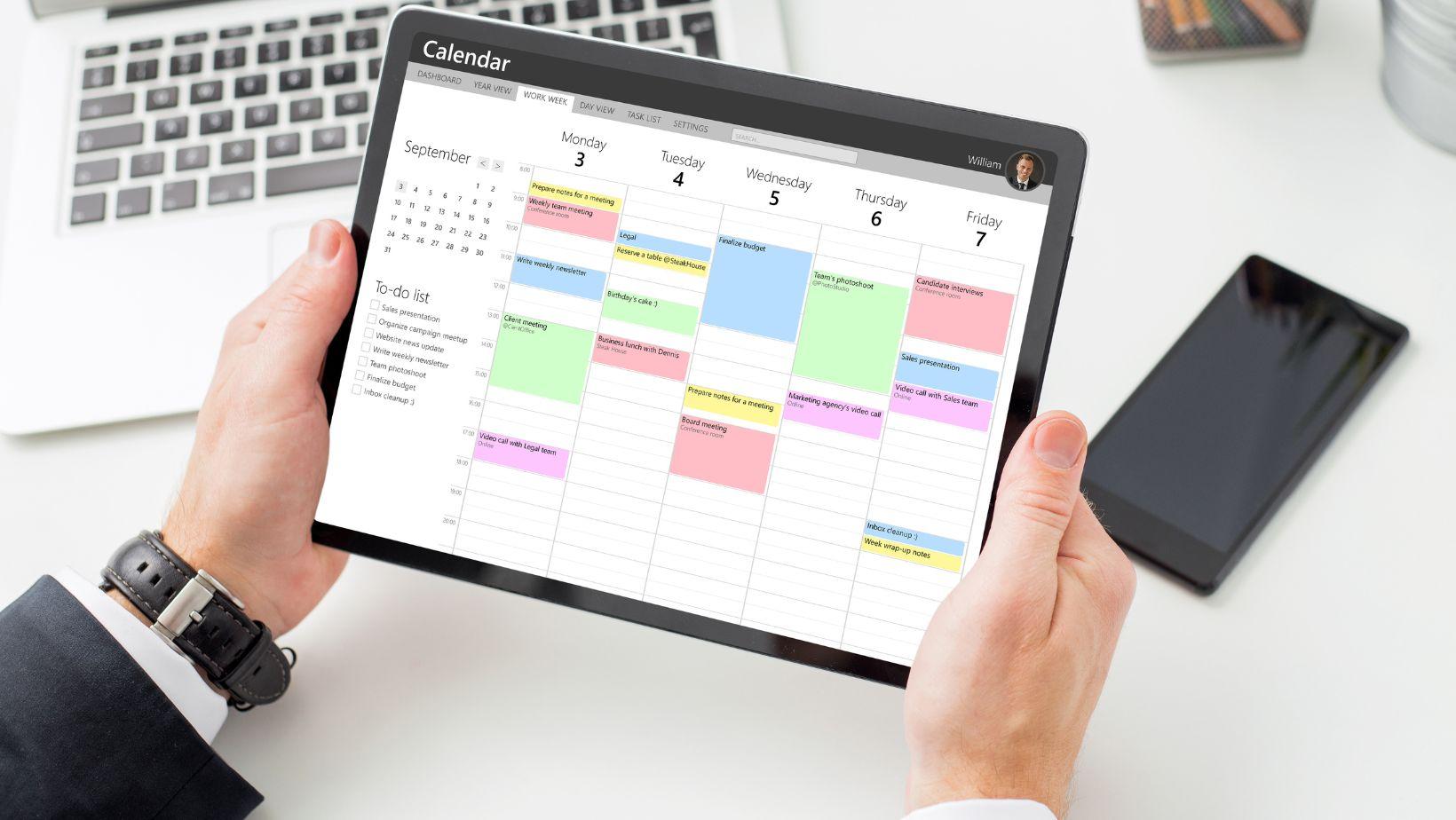
A shared calendar is one of the strongest foundations for family organization. Parents and older children can view school events, medical appointments, activities, birthdays, and work commitments in one place. Color coding makes it easier to see who needs to be where, while alerts provide time to prepare.
The calendar works best when everyone follows a few basic rules. Events should include the correct time, location, and any important notes. Repeating activities can be scheduled automatically, and one parent should not become responsible for entering every detail. A shared tool is most valuable when the responsibility is shared too.
Smart Speakers for Quick Reminders
Smart speakers can be helpful in busy parts of the home, particularly the kitchen or entryway. Family members can add items to a shopping list, set a timer, check the weather, or create a reminder without stopping what they are doing.
Voice tools are especially practical when hands are wet, full, or occupied with cooking and childcare. They should still be configured carefully. Families can review privacy settings, limit purchases by voice, and avoid connecting sensitive information that does not need to be available through the device.
Wearable Devices for On-the-Go Tasks
Wearable technology can support short tasks when reaching for a phone is inconvenient. Smartwatches can display calendar alerts, calls, and messages, while connected eyewear may provide another hands-free option. For example, Meta glasses can fit into a routine where a parent wants to make a call, listen to audio, or capture a family moment without holding a phone.
Wearables should be used thoughtfully around children and other people. Parents should pay attention to recording indicators, ask permission when appropriate, and avoid allowing convenient capture to turn every private moment into content.
Digital Lists and Family Task Apps
Paper lists are useful, but they are easy to leave at home. A shared list app allows family members to add groceries, school supplies, household repairs, and other needs as soon as they remember them. Some apps also allow tasks to be assigned and checked off.
The best system is usually a simple one. Too many categories, notifications, and separate boards can make a family task app feel like another job. A short weekly review can clear completed items, assign urgent tasks, and move less important ideas to a later date.
Trackers for Frequently Misplaced Items
Keys, backpacks, luggage, and wallets often disappear at the exact moment a family needs to leave. Small Bluetooth trackers can reduce the time spent searching for frequently misplaced items. They are particularly useful for objects that travel between school, work, and home.
Trackers should only be attached to belongings with the owner’s knowledge. Families should also understand the alerts and anti-stalking protections provided by their chosen system. Convenience should never come at the cost of another person’s privacy.
A Family Charging Station
Even the best devices are useless when their batteries are empty. A central charging station can keep phones, watches, tablets, headphones, and school devices in one predictable place. It can also reduce cables around the home and make missing devices easier to notice.
Placing the station outside bedrooms may support healthier nighttime habits. Families can choose a charging time that fits their routine and keep one essential phone available for emergencies.
Conclusion
Smart devices can make a busy family schedule easier to manage when each tool has a clear purpose. A shared calendar keeps plans visible, voice assistants capture quick reminders, wearables support on-the-go tasks, and trackers reduce time lost searching for belongings. The goal is not to automate family life. It is to remove small points of friction so that people can spend less energy managing information and more time being present with one another.
