
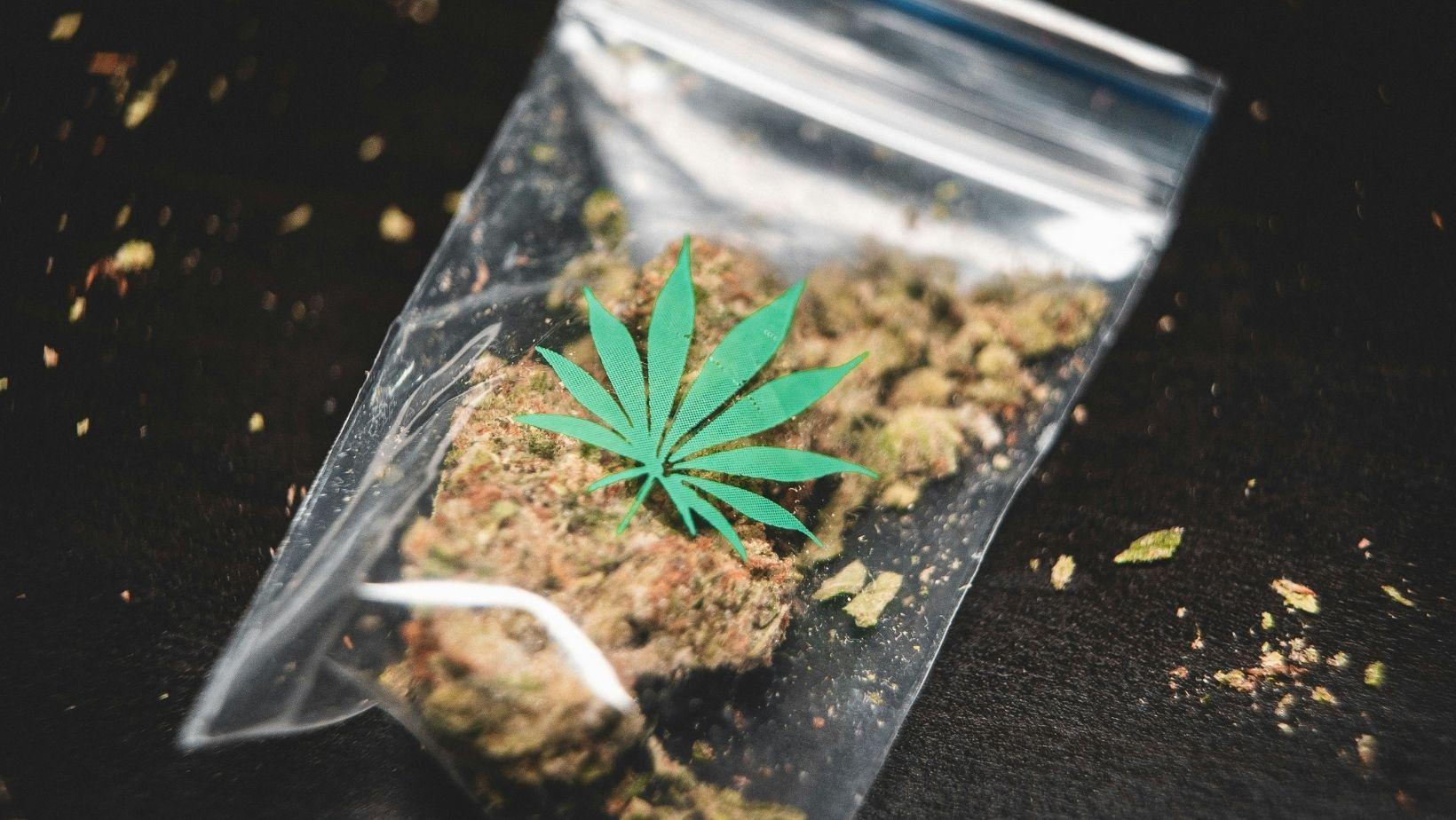
There are two kinds of cannabis consumers.
The first buys quality flower, stores it properly, and enjoys consistent aroma, texture, and potency.
The second spends $50 on premium bud, tosses it into a half-open jar on a sunny shelf, then announces online that “the market has gone downhill.”
Let’s be fair. Storage is one of the least glamorous parts of cannabis culture. No one brags about humidity control. No one films cinematic unboxing videos of airtight containers. No one says, “Come over, I want to show you my moisture management system.”
And yet, storage may be the difference between fresh flower and expensive dust.
Cannabis Is Not Shelf Decor
Some people treat cannabis like a decorative object. They line jars on shelves. They keep products near windows. They open containers repeatedly to admire the contents like a museum exhibit.
Flower is not art installation material.
Cannabis degrades when exposed to air, light, heat, and unstable humidity. Terpenes, the aromatic compounds responsible for scent and much of the sensory experience, are volatile. That means they dissipate over time, especially when storage conditions are poor.
Translation: if your flower used to smell loud and now smells like stale hay, chemistry happened.
Dry Weed Is a User-Generated Problem
Consumers often blame producers for brittle flower, harsh smoke, or crumbly texture. Sometimes that criticism is deserved. Sometimes the culprit is six weeks of negligent home storage.
When cannabis becomes too dry, users often report:
This is not mysterious. Plant material loses moisture when left in dry or unstable environments.
If you live in a climate-controlled home during winter, congratulations. Your furnace may also be sabotaging your stash.
The Drawer Myth
Many people assume dark equals safe.
They put cannabis in a drawer, closet, cabinet, or random side table and consider the matter solved. Darkness helps, yes. But darkness without humidity control is just hidden neglect.
Indoor environments fluctuate constantly depending on heating, cooling, season, and room usage. Kitchens and bathrooms swing dramatically. Bedrooms near vents can become dry zones. Cars should not even be part of this conversation.
A glove compartment is not storage. It is a cautionary tale.
Why Airtight Matters
Air exposure gradually strips freshness. Every unnecessary opening introduces oxygen and environmental shifts. Cheap containers with poor seals do little to protect product quality.
This is why serious consumers increasingly use purpose-built storage systems. Containers designed for smell containment, light protection, and humidity consistency are not excessive. They are logical.
Products like the CVault airtight storage container have become popular because they focus on environmental control instead of aesthetics first. Stainless steel construction, secure sealing, and compatibility with humidity packs make them a practical upgrade for people who are tired of pretending a repurposed pasta sauce jar is elite storage.
Sometimes adulthood arrives disguised as a better container.
The Cost of Bad Habits
Cannabis pricing is not casual. Depending on market and quality tier, consumers can spend significant amounts monthly. Yet many people protect their phone better than their flower.
They use cases, screen protectors, backups, insurance, tracking apps.
For cannabis: loose lid, warm room, vibes.
The mismatch is impressive.
If you routinely buy premium product, proper storage is one of the cheapest ways to preserve value. It may also reduce waste by keeping flower fresher for longer.
You Don’t Need More Weed, You Need Better Conditions
Many consumers chase novelty when the issue is maintenance.
New strain. New brand. New drop. New packaging. New hype cycle.
Meanwhile, the last three purchases all dried out in the same badly sealed container beside a lamp.
Before declaring the industry broken, examine your environment.
Good storage typically means:
This is less exciting than strain discourse. It is also more useful.
Freshness Is Part of Quality
A premium flower purchase does not end at checkout. Once it enters your home, you become part of quality control.
Growers can cultivate expertly. Producers can package carefully. Retailers can store responsibly. Then one customer leaves the jar open on a dresser for ten days and writes a furious review.
There should be a separate rating category for self-inflicted damage.
Final Thought
Cannabis culture often obsesses over what to buy next. Better question: what are you failing to preserve now?
Because sometimes the disappointing session is not proof that the product was overrated.
It is proof that your storage setup is unserious.
