
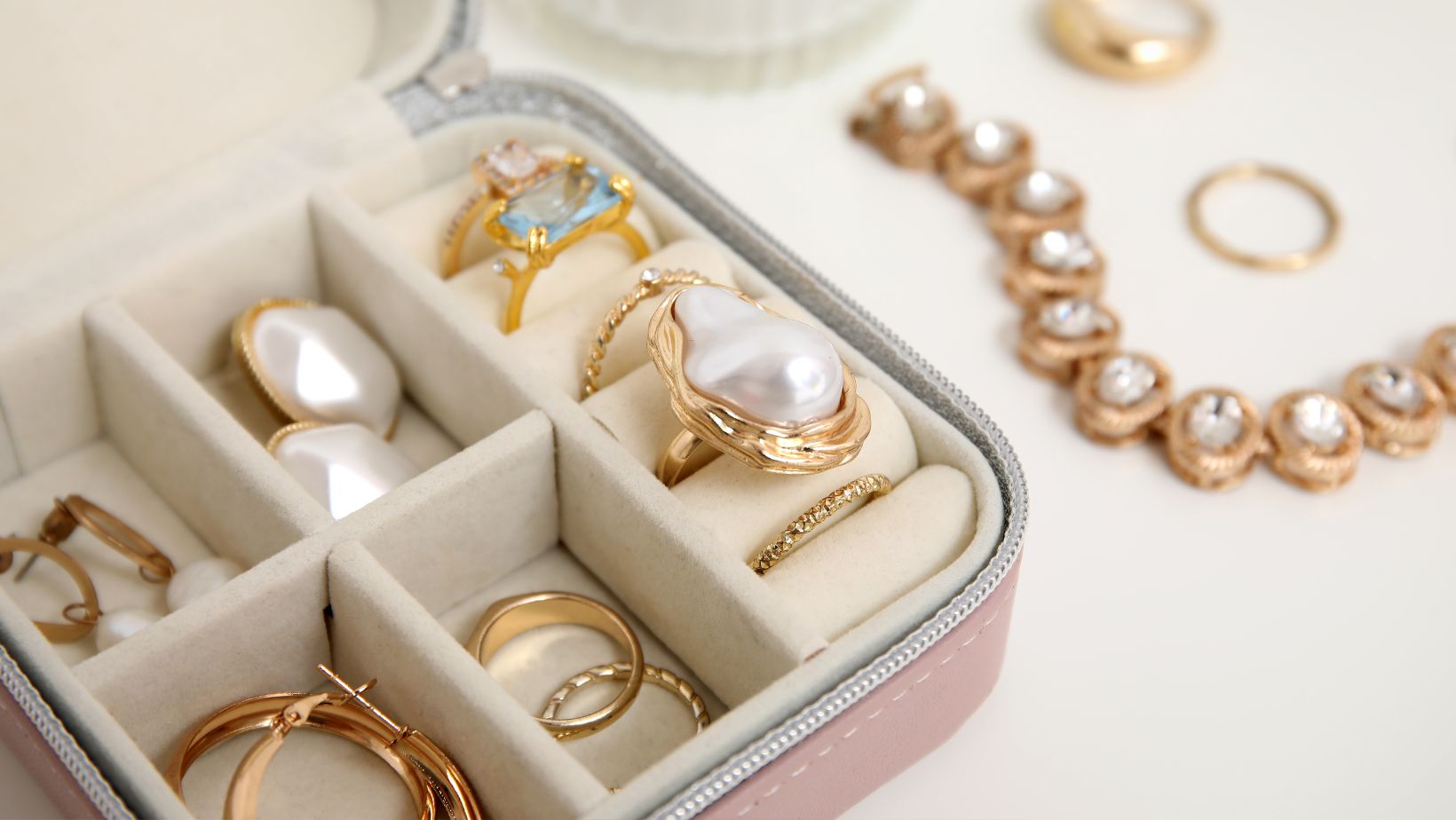
If you have an environmentalist mindset, then every purchasing decision you make might be influenced, to some extent or other, by green concerns. Certain kinds of investment can be more problematic than others, and high-end jewelry, perhaps surprisingly, is often worth considering carefully.
So, what should jewelery buyers consider? Let’s take a look at a few relevant factors.
Understanding What Makes Jewelry Eco-Friendly
For jewelery to be considered eco-friendly, the manufacturer will need to have taken steps to limit the environmental harms inherent in traditional forms of production. For example, a diamond that’s grown in a laboratory will come without the carbon footprint of one that’s been dug out of a mine and shipped around the world. You might also look at jewelery that’s been labeled ‘fair trade’ by independent assessors, rather than the brand behind the product.
Everyday Ways to Shop Sustainably for Jewelry
There are a few general principles worth abiding by when you’re shopping for sustainable jewelry. For one thing, you might buy less of it: a few quality items will tend to be less sustainable than a myriad of small, cheap ones. So-called ‘fast-fashion’ will tend to be more of a problem than the quality kind.
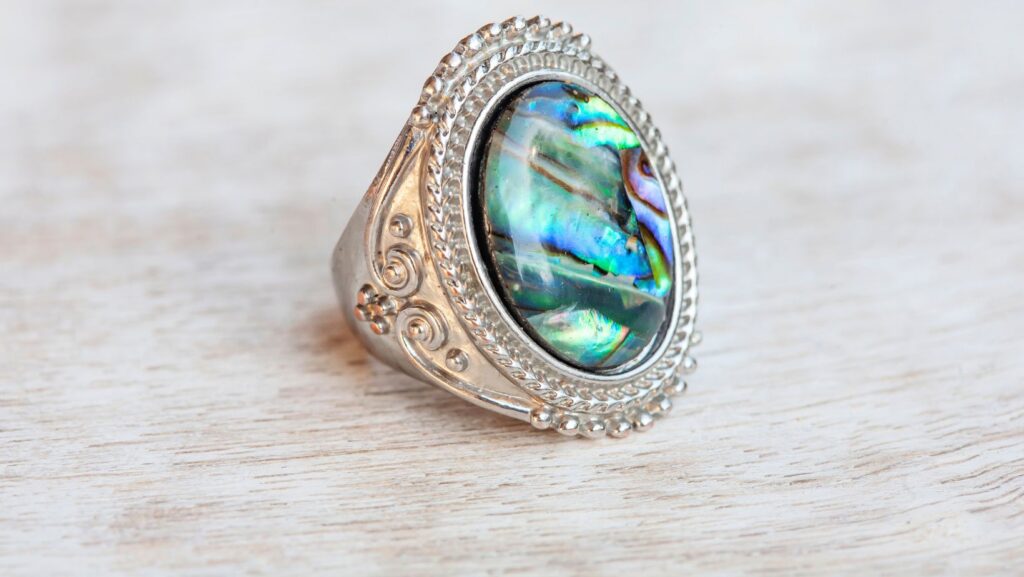
You’ll also want to be critical of brand’s claims when it comes to sustainability. Ask yourself where the product has been sourced from, and how – but, perhaps more importantly, ask whether you really need it. Second-hand options in local stores, and online listings, can often be a wonderful source of value.
Special Occasions and Sustainable Choices
There are certain points in life that call for a major investment in jewelery. The practice of marking every proposal with an engagement ring has helped to keep the industry afloat. Without it, the world of jewelery would be very different! If you’re proposing to someone who shares your environmentalist outlook, then you’ll want to prefer brands with strong eco-credentials, and even look for a vintage or lab-grown option.
Teaching Kids About Responsible Consumption
If you want to lower your carbon footprint, then you might teach your children about how their shopping decisions can impact the natural world. By modeling the right behavior, you can reduce the harm inflicted now only in the present, but for decades to come.
Considering Materials Beyond Gemstones
Eco-friendly jewelery isn’t only about stones; the metals used play a crucial role, too. Recycled gold and silver help reduce the need for destructive mining practices, while offering the same durability and beauty as newly extracted materials. Some designers also experiment with alternative materials, such as reclaimed wood or responsibly sourced pearls, to lessen environmental impact. Taking the time to understand what goes into each piece can empower consumers to make more thoughtful, values-led choices.
Caring for Jewellery to Extend Its Life
Sustainability doesn’t end at the point of purchase. Proper care and maintenance can significantly extend the lifespan of your jewelery, reducing the need for replacements. Simple habits, like storing items correctly, cleaning them gently, and repairing rather than replacing damaged pieces, all contribute to a more sustainable approach. Over time, well-cared-for jewelery can even become heirlooms, carrying both sentimental and environmental value.
Looking Forward—Building a Greener Jewelry Box
You shouldn’t expect to transition overnight into a perfectly green and sustainable collection of jewelery. You might instead get there via a series of small steps, and by buying according to a strong and clearly-defined set of principles. If you buy a lot of stuff in a short timeframe, then, almost by definition, you’ll be doing so in a way that’s environmentally destructive.
