
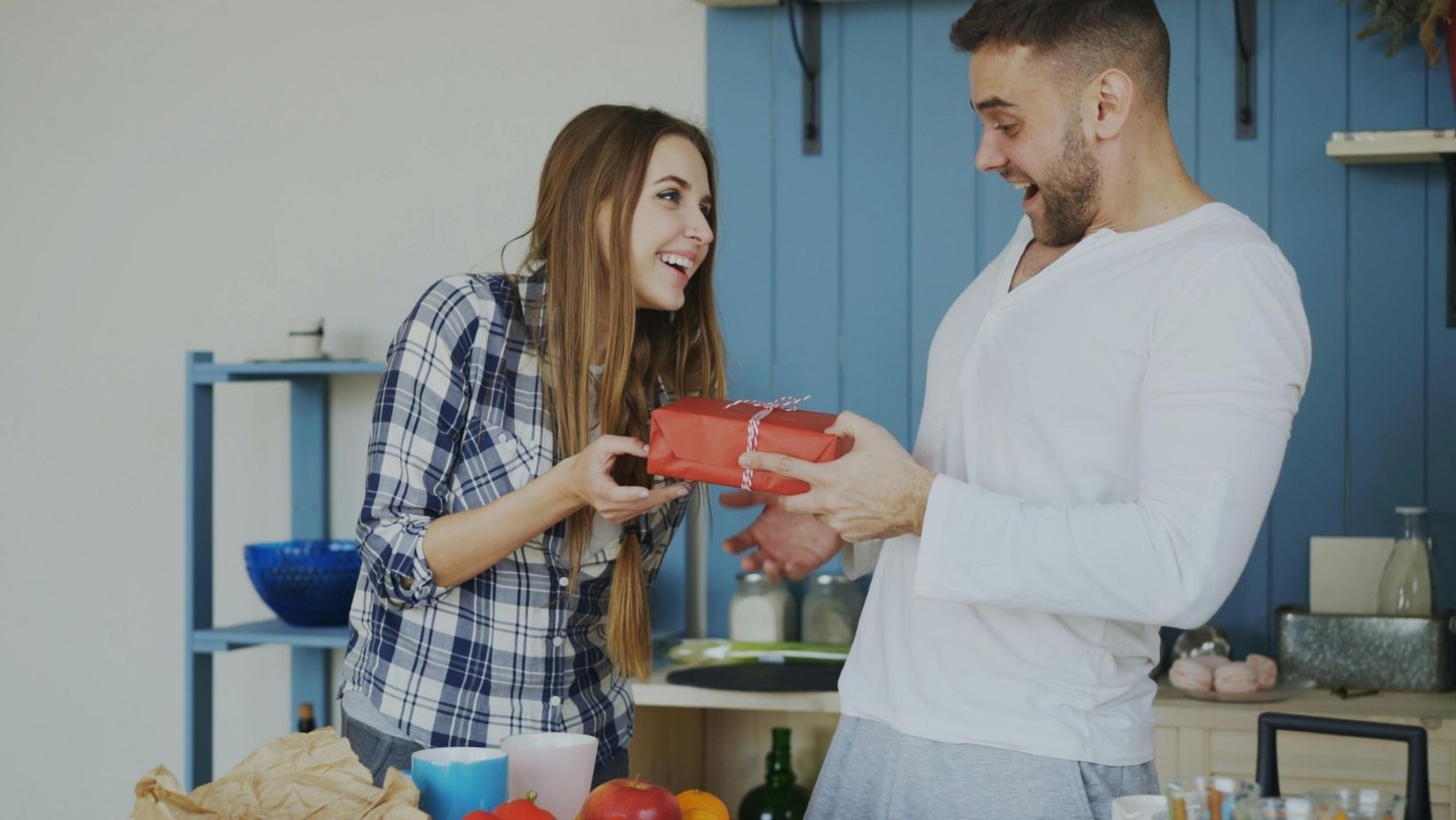
There is a moment after the thank you notes are written and the boxes are flattened when it hits you. Your kitchen is suddenly full of beautiful things that feel a little too special for a Tuesday night but too useful to ignore. The copper pan gleams. The linen napkins feel fancy. The cutting board looks like it belongs in a magazine spread. Food related wedding gifts have a way of carrying expectations along with them, and that can freeze people into doing nothing at all. That is a mistake. These pieces are meant to live with you, not sit on a shelf waiting for some imaginary perfect occasion.
Let the Gifts Earn Their Keep
The fastest way to love your wedding gifts is to stop treating them like museum objects. That gorgeous Dutch oven does not need a holiday to justify its first stew. The glassware does not need a dinner party to come out of the cabinet. When you fold new tools into everyday routines, they stop feeling precious and start feeling personal. Cooking on a Wednesday with a pan that heats evenly and looks good doing it is one of those small upgrades that quietly changes your mood without making a fuss about it.
There is also something grounding about building muscle memory with these items. The weight of a good knife, the way a wooden spoon fits your hand, the sound of a lid settling into place. Using them early and often takes the pressure off and replaces it with familiarity. That is where comfort lives.
Create a System That Makes Sense for Real Life
Not every kitchen is ready for an influx of serveware and specialty tools. Before frustration sets in, it helps to rethink storage with honesty. If a shelf is already overloaded, do not force one more platter into it just because it looks nice. Move pieces you reach for daily into prime spots and give occasional items a dedicated home that is easy to access when needed.
This is also the moment to let go of duplicates you know you will never touch. Passing along an extra set of measuring cups or a second gravy boat does not cheapen the gift. It frees your space so the items you keep can actually shine. A kitchen that works well feels generous, not crowded.
Make Everyday Meals Feel a Little More Considered
You do not need a guest list to use the good stuff. A simple breakfast feels different on a solid stoneware plate. Pasta tastes better when served in a bowl that holds heat. Cloth napkins slow you down in a way that paper never does, and that is not a bad thing.
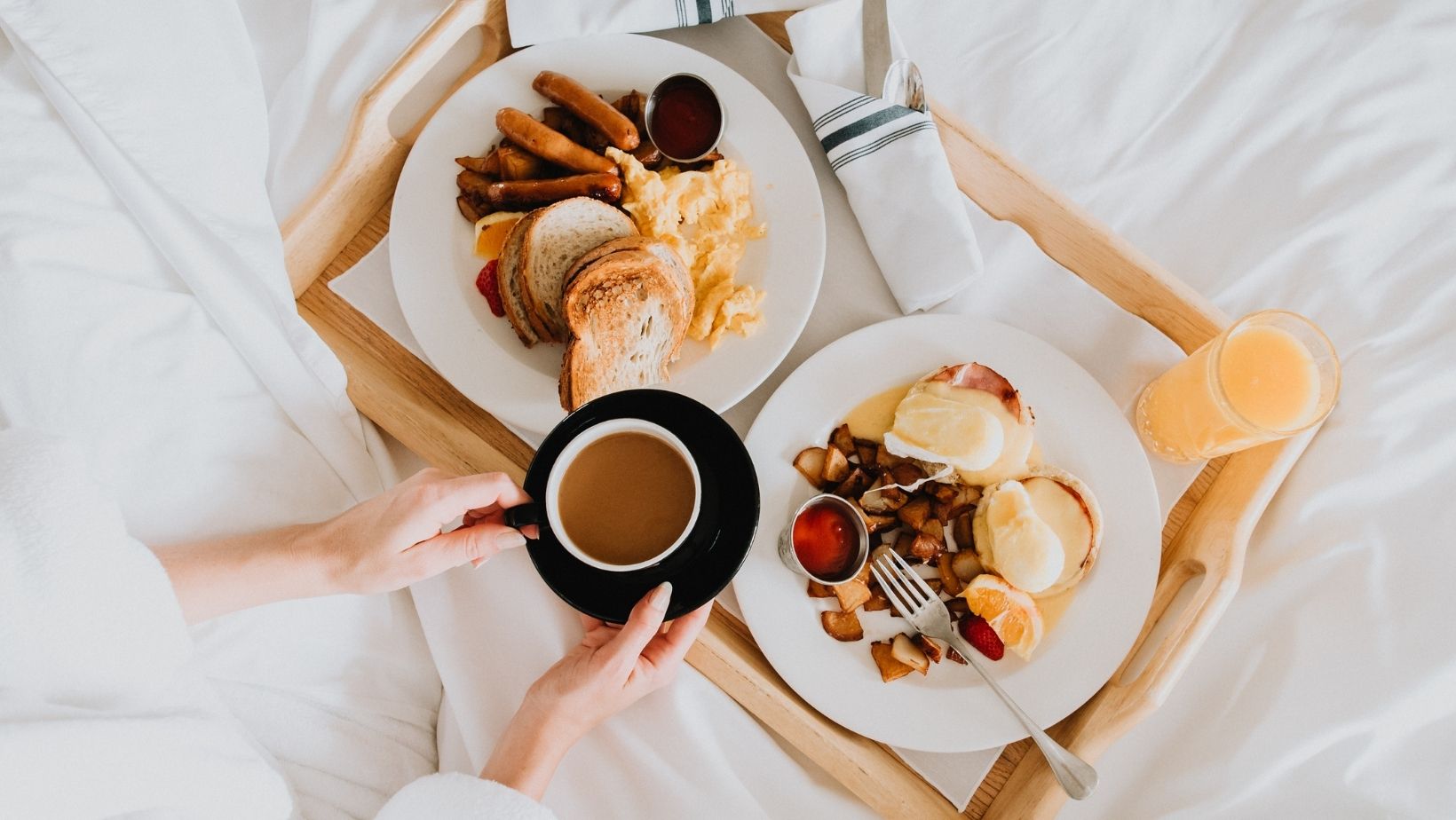
The point is not to perform domestic perfection. It is to notice how small choices affect the rhythm of your day. When your tools support you instead of complicating things, cooking stops feeling like a chore and starts feeling like part of the flow of your home. That is where these gifts really pay off.
Save a Few Stars for the Big Table Moments
Some pieces do like an audience, and that is fine. The oversized roasting pan, the heirloom serving bowls, the platter that barely fits in the cabinet. These are the items that come alive when the house is full and the oven is working overtime. When Thanksgiving dinner rolls around, you will be glad you know exactly where everything lives and how it performs under pressure.
Using these pieces once or twice before a big gathering can make all the difference. You learn how hot handles get, how much food a bowl really holds, and whether that lid seals the way you expect. Confidence in the kitchen is built through repetition, not hope.
Blend Old Favorites With the New
A home feels layered when new gifts sit comfortably next to things you already love. There is no rule that says your grandmother’s mismatched plates cannot share space with modern serveware. In fact, that mix often looks better than a perfectly matched set.
When you let different eras and styles coexist, the kitchen tells a fuller story. It becomes less about trends and more about continuity. The goal is not cohesion for its own sake. It is warmth, ease, and a sense that everything has a reason for being there.
Let the Kitchen Reflect Who You Are Becoming
Marriage shifts routines in subtle ways. You cook differently, shop differently, and plan meals with another person in mind. The gifts you received are part of that shift, but they do not dictate it. You get to decide how they fit into your life now, not how you think they should be used.
If a bread maker turns out to be more aspirational than practical, that is okay. If the espresso machine becomes the most used appliance in the house, lean into it. A kitchen works best when it reflects reality, not intention.
Years from now, these items will carry memories that have nothing to do with their price tag or who bought them. They will remind you of late dinners, early mornings, and the way your home slowly learned its own rhythm. Using them fully is not careless. It is the whole point.
