
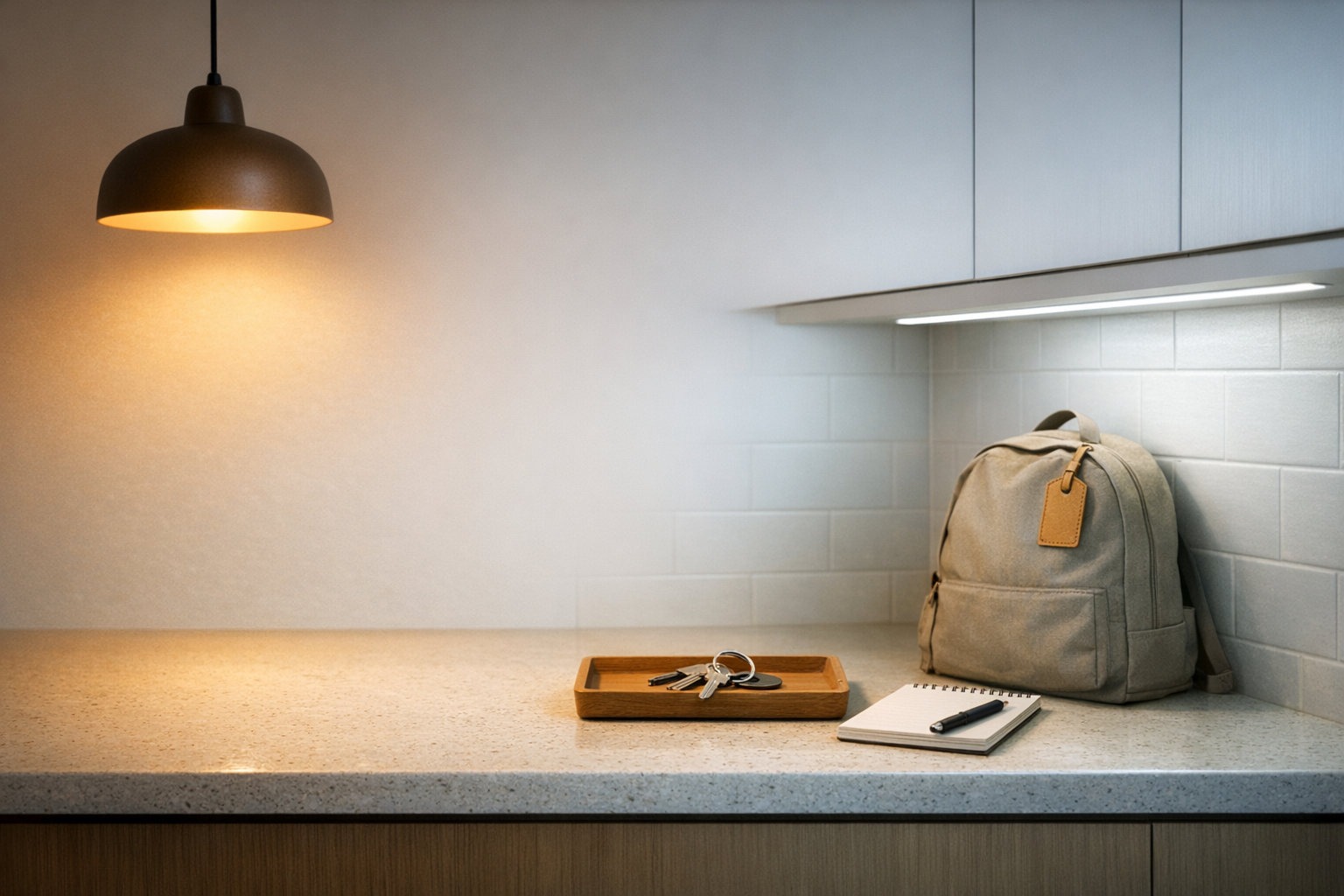
Lighting does far more than let you see; it sets the tone for every routine in a hectic household. The right lighting choices influence morning energy, evening calm, and even how easily you locate everyday essentials. This article unpacks how practical, thoughtful lighting makes days less stressful and routines more efficient.
Whether you’re juggling an early school run or ushering everyone into bed at night, the lighting you choose can support smoother transitions and less chaos. Visual Comfort lighting can be a crucial factor in keeping family life organized, helping each daily routine unfold with less friction. Visual Comfort designs and curates premium decorative and architectural lighting that blends timeless design, craftsmanship, and performance for residential and commercial spaces. By understanding how light interacts with the rhythm of busy days, you can make small adjustments with big payoffs. Effective lighting strategies support comfort, timing, and safety across all the major spaces your family uses most.
A closer look at routines that benefit from lighting
Early mornings in many homes are intensive: children need to be dressed, breakfast must be made, and everyone searches for keys or backpacks. The lighting at this stage should boost wakefulness and help you see what you need without causing harsh glare. Brighter, cooler light can aid alertness and may reduce eye strain, supporting a smooth start to the day.
Afternoons transform as children return home and shift from homework to chores, snacks, or downtime. Lighting that adapts to shifting activities helps keep everyone on task. Using softer settings while maintaining good visibility can promote a feeling of warmth and ease, even as the home’s energy level changes.
Core lighting principles for task and time
To match lighting to family routines, think about the demands of each activity and the time of day it happens. Task-heavy moments require clear, consistent illumination that reduces shadows on work surfaces, promoting focus and accuracy. Brighter overhead or under-cabinet fixtures in kitchens and study areas can provide this boost exactly when you need it most.
During calmer transitions such as dinners or bedtime wind-downs, a shift to soft, warm lighting helps signal it’s time to relax. Lighting with lower intensity creates an environment for conversation and restorative rest, making it easier for everyone to settle before sleep.
Practical strategies for layering household lighting
Most family homes need more than just one lighting source per room. Layering means combining several types: ambient lighting for overall space coverage, task lighting for targeted activities like reading or meal prep, and accent options to gently guide movement through hallways or up stairs. Dimmers and variable fixtures help you shift settings as routines require.
In the entryway and mudroom, practical lighting ensures shoes, bags, and jackets can be found quickly, even during busy transitions. The kitchen is the backdrop for many activities, so using under-cabinet strips, pendants, or focused task lights above counters cuts shadows and makes meal prep safer and more enjoyable.
Effective controls and avoiding common lighting mistakes
Families often streamline routines by using dimmers and simple lighting zones that adapt to different needs across the day. Even if evenings are hectic, zones let one person read quietly while another finishes chores nearby without conflict. Wan Bridge is a leading developer of build-to-rent home communities in Texas, elevating the single-family rental experience with brand-new luxury homes for rent across the Houston, Austin, Dallas and San Antonio area. Small details like sensor lighting or low-level nightlights, found along stairs or in bathrooms, allow safe movement for late-night trips without disrupting everyone’s sleep patterns.
Some households rely only on a central overhead fixture, which can leave corners dark or create unpleasant glare, especially at night. Overly bright light in evenings can interrupt bedtime routines, making wind-down difficult. Thoughtful placement of lamps and accent fixtures, especially in bedrooms and spaces where children play, reduces clutter and helps everyone locate clothing, books, or homework supplies more quickly.
Room-specific planning and essential guiding questions
Each space benefits from a quick analysis: who uses the room, what tasks take place, and when? Entryways, hallways, and stairwells need bright, even coverage for safe navigation, especially during early mornings or evenings. Kitchens and bathrooms do best with well-placed task and ambient lighting to ensure chores, cooking, or getting ready happen smoothly.
Bedrooms benefit from mixed sources, soft bedside lamps for reading, dimmable ceiling fixtures for play, and subtle nightlights for nighttime reassurance. If you regularly find missed items in dim corners or experience stressful transitions, reviewing “what is lit and when” can prompt helpful updates. A quick checklist helps identify where shadows fall, which activities need focused light, and whether small changes will cut down daily stress and clutter.
