
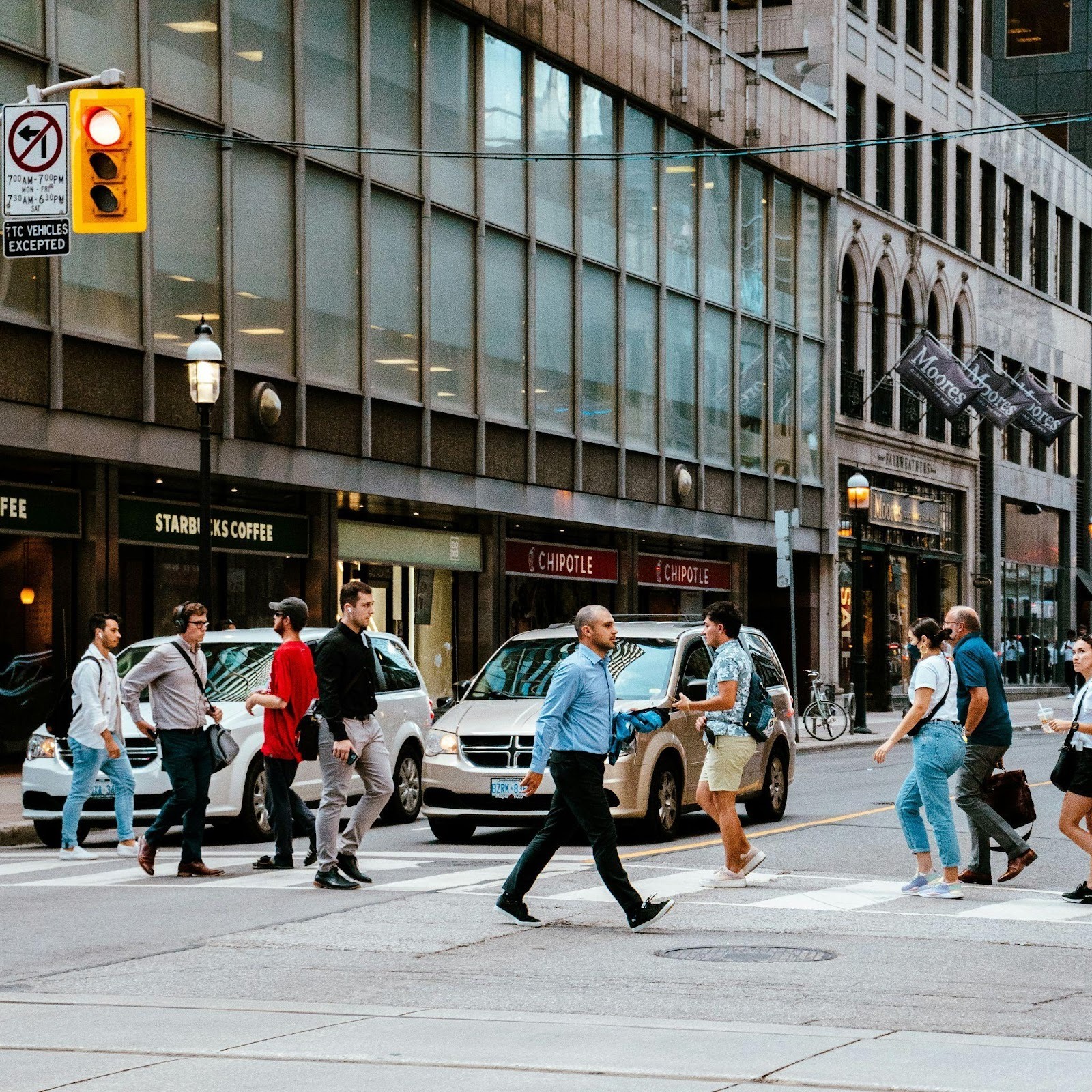
Moving to a new city is more than finding a job and securing a workspace. It is about choosing a place that becomes part of daily rhythm. It is where coffee runs become familiar. Where commute time becomes part of routine instead of a burden. Where evenings out and quiet weekends both feel accessible.
For young professionals in Toronto, the choice of neighbourhood changes how life feels. It affects time, energy and everyday opportunities for social connection or personal space. The question is not only “Where is the city?” but “How does this place hold a life?”
This article explores what makes certain areas feel like home for people starting their careers and building the routines that matter most.
Everyday Life Begins With Practicalities
When people first think about moving somewhere in Toronto, they think about jobs and salary. Those things matter. They are real. But once a job is secured, the next layer of questions becomes daily: how long is the commute, how easy is it to get groceries after work, where do you go for a drink with friends?
Young professionals value neighbourhoods that reduce daily friction. They want places where errands do not feel like missions and where social life is part of the local landscape rather than a planned event.
When a place supports these ordinary moments, people start to feel grounded quickly.
Walkability and Transit Define Routines
Toronto is a city that unfolds across many walking cores, transit lines and bike paths. Some places make it easier to get around without a car. For someone who commutes by streetcar or subway, this makes a day feel longer in a good way. The commute feels like time rather than lost time.
Good transit connections allow people to move through life without scheduling every step. They make spontaneous plans possible. They make after-work gatherings viable. They reduce stress.
Walkability matters too. When coffee shops, restaurants, groceries and parks are part of the daily loop, life feels cohesive. It feels lived-in rather than segmented.
A Sense of Community Comes From Everyday Interactions
Young professionals often describe their favourite neighbourhoods not by the number of bars or restaurants but by how they feel at 7 a.m. and 7 p.m.
Do people start their day in the same cafés? Do streets feel calm on a Sunday morning? Is there a place where conversations happen without planning?
These small patterns shape whether a place feels like a neighbourhood or just a location on a map. Over time, these interactions make routine life feel lighter rather than heavier.
Balance Between Work and Life
One of the strongest themes for people early in their careers is balance. Work is demanding, but life outside work sustains it. Proximity to green space, easy transit to arts and culture, and options for quiet evenings all matter.
Some parts of Toronto feel like they are always on. Others feel like they slow down at the right times. For many young professionals, finding that balance becomes essential to long-term satisfaction.
This plays into how people choose where to live, not only where to work.
Lifestyle That Evolves With You
A neighbourhood that feels right at 25 may still feel right at 35. This is not only about amenities. It is about flexibility. It is about choosing a place that holds routines as life shifts.
Places with mixed housing stock, welcoming streets and easy access to new experiences tend to age well with a person’s life.
This is one reason people find value in understanding the context of the best Toronto neighbourhoods for young professionals. That context helps clarify not only what exists today but how environments support life.
The Emotional Side of a Neighbourhood
Choosing where to live is also emotional. People talk about neighbourhoods in terms of comfort. They describe how it feels to walk home at night. They notice how light moves through their windows. They observe how neighbours interact in parks or on patios.
These emotional layers matter because they shape daily experience. A neighbourhood that feels safe and welcoming becomes a foundation for life rather than a step in a career ladder.
Social Life Without Effort
For many young professionals, social life is not about planning big events every weekend. It is about chance encounters, happy hours on weekdays, and places that feel familiar enough to invite friends without fuss.
A neighbourhood that supports this kind of life helps reduce social friction. It brings people together through proximity, design and routine. Instead of social life feeling like a project, it becomes woven into everyday movement.
Costs and Choices
Toronto’s real estate and rental market spans a wide range. Cost is always part of the decision. Young professionals weigh housing prices against commute times, lifestyle access, and long-term goals.
Choosing well means looking at this balance. Expensive neighbourhoods might feel convenient, but they may compress financial flexibility. More affordable places might extend commute time or require more planning.
There is no perfect choice. There is only a choice that feels sensible for the life someone wants to build now.
Timing and Life Stages
People do not choose a neighbourhood once and forever. Life changes. Jobs change. Relationships grow. Priorities shift.
This is why many young professionals revisit their location choices over time. They think about neighbourhoods not as destinations but as settings that hold chapters of life.
Understanding this fluidity makes decisions feel more intentional and less permanent.
A Place That Grows With Your Life
The right neighbourhood for a young professional is one that feels like home — not only for this week or this year, but as life expands beyond first jobs and first apartments.
It is where daily routines feel smooth, where community feels accessible, and where change feels possible without losing ground.
It is where morning coffee feels familiar, where weekend walks feel restorative, and where friendships form not because of forced effort but because life happens in the same places.
And that is the practical value of thinking beyond architecture and amenities toward the lived experience of place.
