
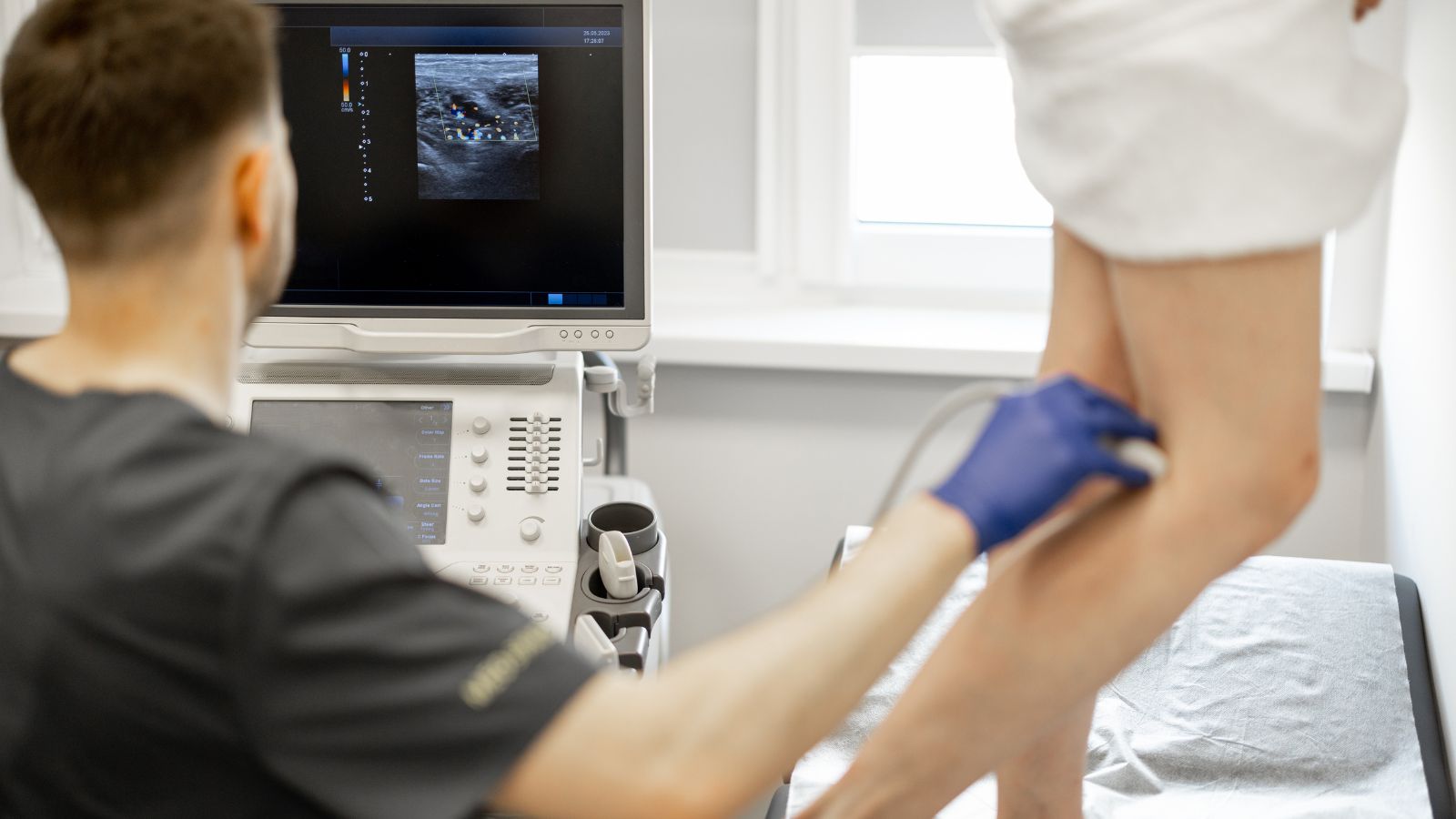
When spider veins, swelling, or aching in the legs start to interfere with daily life, finding a qualified vein specialist quickly can make a measurable difference. Metro Vein Centers provide expert evaluation, accurate diagnosis, and treatment options ranging from minimally invasive procedures to conservative care, helping patients restore comfort and circulation. This guide explains what causes common venous problems, how clinicians diagnose them, available treatments, and practical steps patients can take to manage symptoms and recovery. It’s written to help busy professionals—including agency owners and marketers who spend long hours seated or on their feet—make informed decisions and prepare the right questions for a consultation.
Understanding Spider Veins, Varicose Veins, and Venous Insufficiency
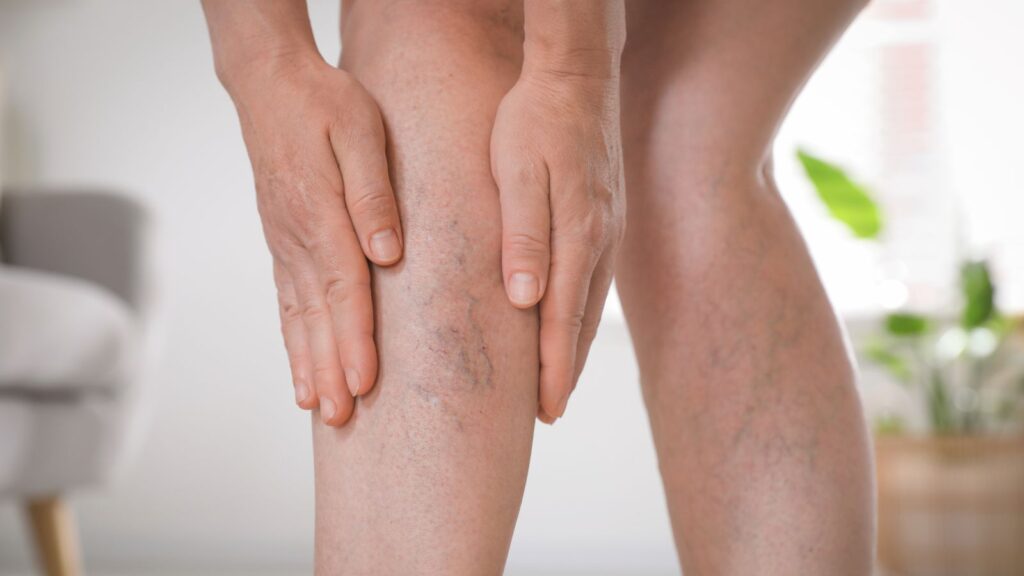
Spider veins (telangiectasias) and varicose veins are related but distinct signs of venous disease. Spider veins are small, superficial clusters of dilated capillaries visible near the skin’s surface. While they’re often considered a cosmetic concern, they can also cause symptoms such as aching, burning, or itching. Varicose veins, on the other hand, are larger, bulging veins that develop when vein valves don’t function properly, leading to blood pooling in the legs. According to The Vascular Care Group, varicose veins are more likely to be associated with underlying venous insufficiency and may require medical evaluation if they cause pain, swelling, or other symptoms.
Chronic venous insufficiency (CVI) occurs when one-way valves inside leg veins fail to prevent blood from flowing backward (reflux). That backward flow increases venous pressure, leading to symptoms such as swelling, heaviness, skin discoloration, and, in advanced cases, venous ulcers. Risk factors include prolonged standing or sitting (common among entrepreneurs and office teams), family history, age, pregnancy, obesity, and prior leg injury.
Understanding the difference matters: spider veins alone often need different management than varicose veins with reflux. A vein specialist evaluates the pattern of affected veins and the underlying hemodynamics to recommend targeted treatment rather than a one-size-fits-all approach.
Common Symptoms and When to Seek Care
Many people tolerate mild spider veins for years. But certain symptoms indicate it’s time to see a vein specialist:
- Persistent or worsening leg swelling, especially at the end of the day.
- Aching, throbbing, or a heavy sensation in the legs that affects work or sleep.
- Visible, bulging varicose veins or rapidly spreading spider veins.
- Skin changes such as brownish pigmentation, eczema-like rash, or thickened skin near the ankles.
- Open sores or non-healing wounds (venous ulcers).
- Recurrent cramping or restless leg symptoms related to venous disease.
Those who spend long hours seated or standing should pay attention to early signs. Early evaluation can prevent progression and reduce downtime, an important consideration for professionals who can’t afford prolonged recovery time.
Typical Diagnostic Steps and Tests
A thorough assessment begins with a medical history and focused physical exam. The specialist will ask about symptom patterns, family history, pregnancy, prior DVT (deep vein thrombosis), and daily routines that may contribute to venous strain.
Additional evaluations may include:
- Photoplethysmography or venous air plethysmography for functional tests (less commonly used).
- Venography for complex cases or when intervention planning requires detailed mapping.
Accurate mapping ensures treatments target the root cause (for example, treating an incompetent saphenous vein rather than only addressing surface spider veins), which improves outcomes and reduces recurrence.
Treatment Options for Spider Veins, Swelling, and Pain
Vein care has shifted toward minimally invasive, outpatient procedures with rapid recovery. A vein specialist will tailor therapy based on the type of veins involved, symptom severity, and patient goals (cosmetic vs. symptomatic relief). Below are common options.
Sclerotherapy and Injection Treatments
Sclerotherapy is the first-line therapy for many spider veins and small varicose veins. It involves injecting a sclerosant solution into the affected vessels, causing the vein to scar, collapse, and gradually fade.
Advantages: effective for small- to medium-sized veins, low complication rate, performed in-office, minimal downtime. Multiple sessions may be needed for extensive networks.
Polidocanol and sodium tetradecyl sulfate are common sclerosants: ultrasound-guided foam sclerotherapy (described below) is used for larger veins or when precise visualization improves results.
Foam Sclerotherapy, Phlebectomy, and Other Procedures
Foam sclerotherapy converts a liquid sclerosant into foam to treat larger or tortuous veins under ultrasound guidance. It’s an option when EVTA isn’t appropriate or as an adjunct.
Ambulatory phlebectomy is a minimally invasive technique to remove prominent surface varicosities through tiny punctures, useful for symptomatic bulging veins after treating the underlying source.
In select cases, combined approaches (EVTA plus phlebectomy or sclerotherapy) offer the best cosmetic and symptomatic outcomes. Vein specialists choose modalities to minimize recurrence and recovery time.
Nonprocedural and Conservative Management
Not all venous issues require procedures. Conservative care aims to reduce symptoms and slow progression:
- Graduated compression stockings to reduce swelling and improve comfort.
- Leg elevation and movement breaks for people who sit or stand for long hours.
- Weight management and activity modification.
- Topical agents or short courses of anti-inflammatories for pain control.
Conservative measures often accompany procedural treatments and are essential for long-term management, especially in patients with early disease or those not ready for intervention.
Managing Swelling and Pain at Home and During Recovery
Recovery after minimally invasive vein procedures is generally quick, but sensible home care speeds healing and reduces discomfort. The following practical recommendations are evidence-based and workplace-friendly for busy professionals.
Compression Therapy, Elevation, and Exercise Recommendations
Compression stockings improve venous return and reduce postoperative swelling. A vein specialist will recommend an appropriate compression class and duration, often 1–2 weeks after procedures like EVTA or sclerotherapy, with ongoing use for symptomatic relief.
Elevation of the legs for 10–20 minutes several times daily helps reduce dependent swelling. Simple mobility, walking several short intervals throughout the day, is one of the best post-procedure actions. It’s safe, reduces clot risk, and fits into tight work schedules: short walks between meetings or during breaks can help.
Avoid prolonged sitting or standing for the first few days: when seated, flex the ankles periodically to stimulate calf muscle pumping.
Medications, Topicals, and Pain Control Strategies
Most patients need only mild analgesia such as acetaminophen or short courses of NSAIDs for discomfort. Topical arnica or prescribed creams can reduce bruising and inflammation in some cases.
If a patient is at higher risk for clotting or has significant venous manipulation, the specialist may recommend short-term anticoagulation or aspirin as prophylaxis.
Clear return-to-work guidance tailored to the procedure helps professionals plan: most can resume desk work within 24–48 hours, while more active roles might require a brief modification period.
How to Choose the Right Vein Specialist
Choosing a vein specialist is a critical step. The right clinician combines technical skill with thoughtful patient-centered planning, important for professionals who need efficient, predictable care and minimal downtime.
Qualifications, Certifications, and Clinic Credentials to Look For
Look for clinicians with specific training in venous medicine and endovenous interventions. Acceptable backgrounds include vascular surgeons, interventional radiologists, or physicians with specialized venous fellowships and board certifications. Many vein specialists hold certifications from organizations such as the American Board of Venous & Lymphatic Medicine (ABVLM) or equivalent.
Clinic credentials matter too: in-office ultrasound capability, transparent outcome data or case examples, and clear post-procedure protocols indicate an organized practice. For business owners and agencies who value measurable results, clinics that track patient outcomes and offer follow-up plans are preferable.
Questions to Ask During Your Consultation
A focused consultation saves time. Recommended questions include:
- What’s the underlying cause of my veins (venous reflux, blockage, or isolated spider veins)?
- Which diagnostic tests will you perform? Will I get a duplex ultrasound?
- What are the treatment options, benefits, risks, and expected recovery times?
- How many procedures are typically needed, and what’s the estimated cost or insurance coverage?
- What is your complication rate and how do you handle follow-up care?
A confident specialist will explain why a chosen plan fits the patient’s lifestyle and goals, for example, minimizing recovery time for someone who cannot take extended time away from work.
What to Expect Before, During, and After Treatment
Knowing the timeline reduces anxiety and helps with planning, especially for professionals managing client deadlines or campaigns.
Preparing for Procedures and Typical Recovery Timelines
Preparation is usually straightforward: stop certain medications if advised, arrange transport home for sedation cases (rare for modern office-based procedures), and plan brief time off if needed. Lab tests are seldom required for routine, minimally invasive treatments.
Typical timelines:
- Sclerotherapy: minor downtime: most return to work within 24–48 hours.
- EVTA: same-day procedure: walking encouraged immediately: light activity within one day and normal activity in a week.
- Phlebectomy: slightly longer recovery with localized bruising; many resume desk work within 1–3 days.
Clinics that provide clear, written aftercare instructions and a point of contact for questions help patients resume normal routines faster.
Signs of Complications and When to Follow Up
Complications are uncommon but can occur. Red flags that warrant prompt follow-up include:
- Worsening pain, significant swelling, or signs of infection (increasing redness, fever).
- New numbness or persistent severe discomfort beyond expected healing.
- Shortness of breath or chest pain (rare, but urgent, seek emergency care).
Scheduled follow-up ultrasound checks confirm treated veins have closed and ensure no deep venous issues developed. Early communication with the clinic prevents small issues from becoming larger problems.
Conclusion
For professionals whose schedules and productivity depend on reliable health and quick recovery, consulting a qualified vein specialist early pays dividends. Modern venous care emphasizes targeted diagnosis with duplex ultrasound and minimally invasive treatments that get patients back to work fast while addressing the disease’s root cause. When evaluating clinics, prioritize specialists with documented experience, clear protocols, and transparent outcome tracking, elements familiar to any business that values measurable results.
When symptoms interfere with daily life, a timely consultation with a qualified vein specialist is the next practical step.
