
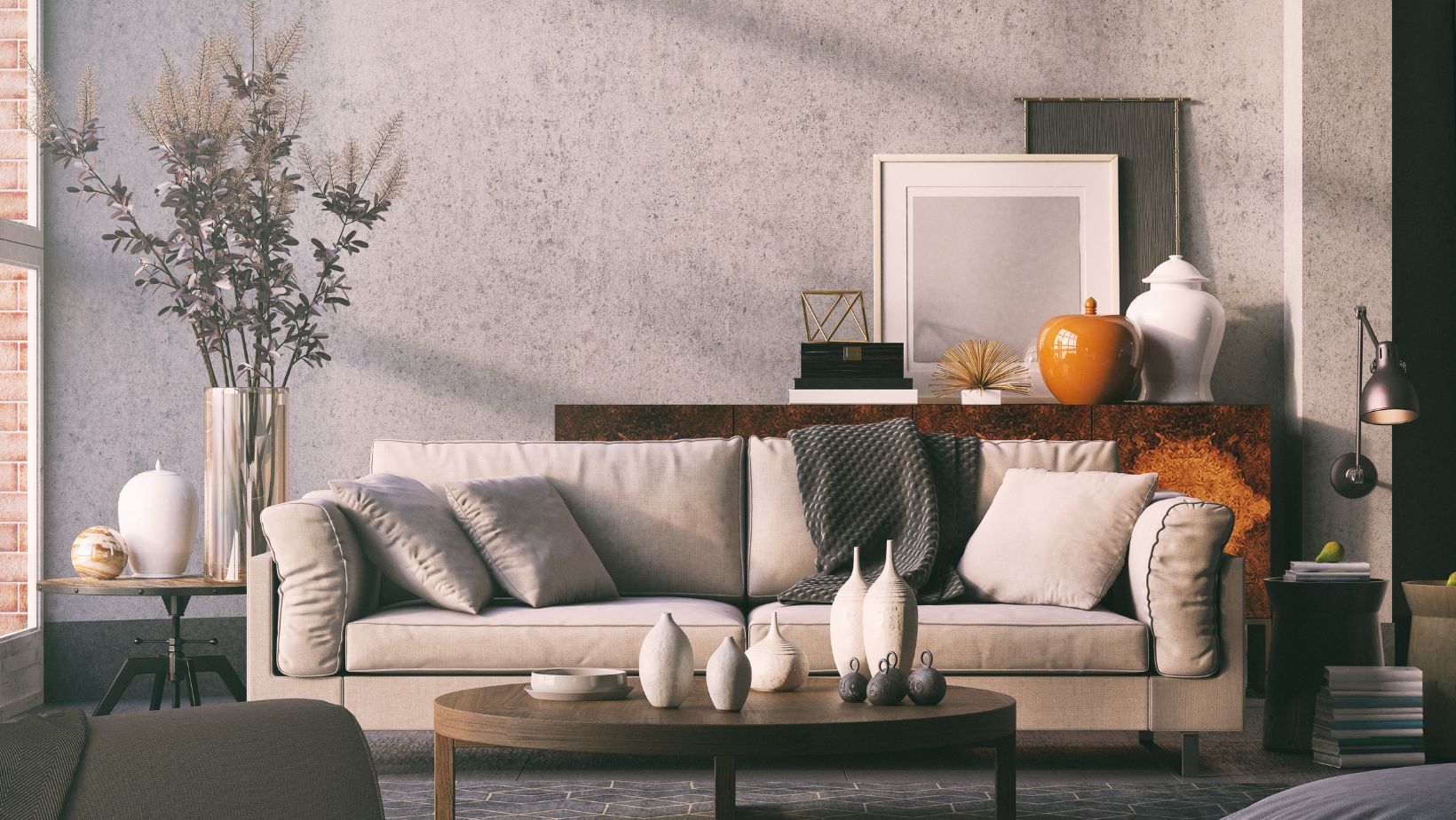
Minimalism has shifted from a visual trend to a quiet emotional language that many women use to express how they want to live. Homes with fewer objects and simpler lines represent a desire to feel lighter. Instead of focusing on what is missing, minimalism highlights space, calm, and the relief that comes when the world finally feels less overwhelming. A minimalist room offers breathing room, something women rarely find in their daily schedules. Even simple pieces like metal dining chairs fit naturally into this approach, as their clean lines and understated presence support a sense of openness without adding visual weight.
Life places many expectations on women, often at the same time. Work, family needs, and emotional responsibilities create a steady pressure. Minimalism becomes a gentle counterbalance. It makes a place where the mind rests. The choice to remove clutter becomes a way to remove noise. Empty surfaces feel like small acts of self-care. What stays in a room starts to reflect what matters most.
This shift also shows a growing desire to move away from performing for others. Many women now create homes that feel peaceful rather than impressive. Comfort replaces presentation. Clarity replaces pressure. A minimalist environment becomes a quiet declaration that life does not need constant excess to feel full.
Why Minimalism Feels Right for Many Women Today
Minimalism reflects a more profound emotional shift. As daily demands grow, women search for spaces that support calm rather than add to the load. A simple home reduces visual stress and decision fatigue. It helps the mind settle. It frees attention for things that genuinely matter.
The movement is also about boundaries. Instead of keeping objects out of obligation, women choose items that serve their well-being. They are replacing the old belief that a busy home signals success with a new understanding that peace signals health. This change feels grounding.
Some of the most common motivations include:
- A need for emotional clarity.
- A desire for rest in an overstimulated world.
- A wish to create spaces free from unnecessary expectations.
Minimalism helps women reconnect with themselves. A simple chair, a single framed photo, or an open corner can create a sense of presence that many miss in their daily routines. The home becomes a place shaped by intention, not pressure.
How Minimalist Homes Mirror Inner Change
Minimalism often becomes a personal journey. As women sort through their belongings, they also sort through beliefs about what life should look like. Letting go of objects can feel like letting go of outdated expectations. Each cleared surface becomes a reminder that not everything deserves space in the mind or home.
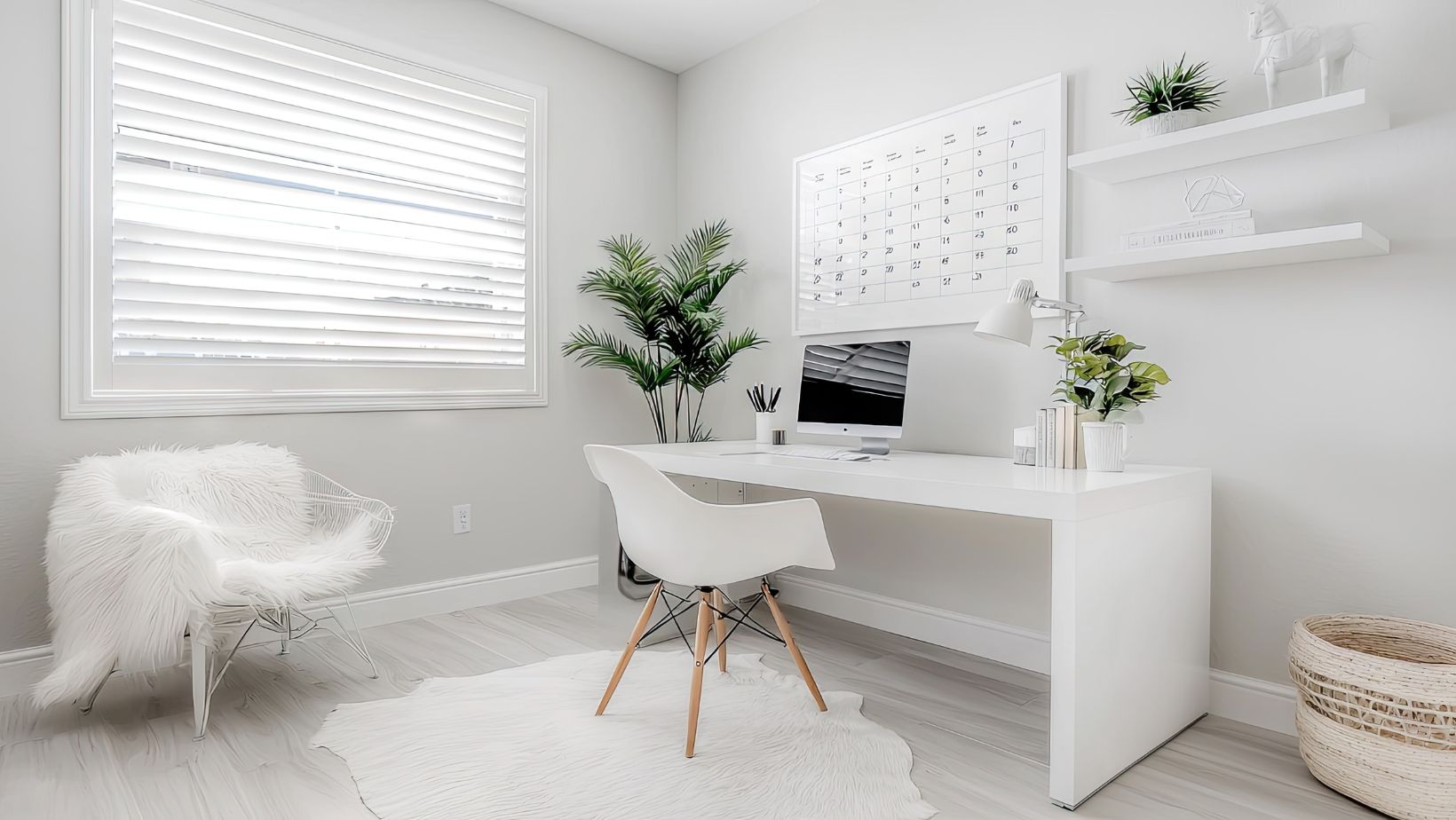
A simpler room also encourages emotional steadiness. Natural light, gentle colors, and open space soften the mind. Many describe a clearer inner landscape when their surroundings feel uncluttered. Minimalism becomes a small daily support system, guiding the home toward a sense of balance.
This trend shows that women are choosing well-being over performance. Experiences now hold more value than objects. Calm holds more meaning than decoration. Homes are becoming places designed for recovery, not display.
A Gentle Shift Toward Emotional Simplicity
Minimalism shows that many women’s lives are quietly changing. It shows that you choose tranquility over stress and purpose over too much. Women make their houses simpler so that they can think clearly and have space to breathe in a world that frequently requires too much of them. The movement illustrates that people are becoming more confident in creating spaces that are good for them, rather than what other people want.
A minimalist home is more than just a decorating style. It reminds you every day that you can be tranquil and that life doesn’t need continual noise to be full. More and more women are choosing to live simply, and they are telling a new story about comfort, balance, and the freedom that comes from selecting what really matters.
