
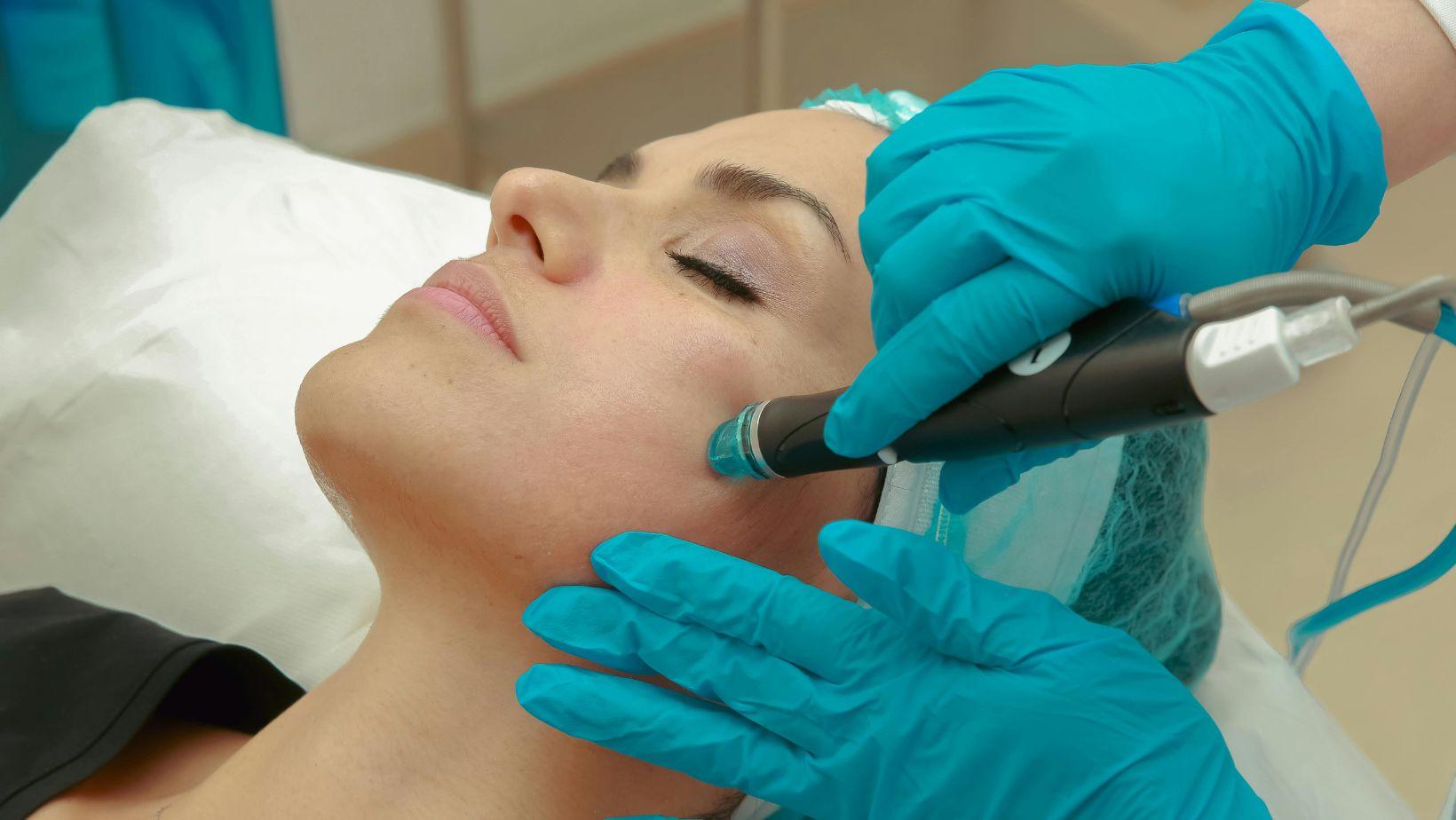
A single session quote can stop patients in their tracks, especially when the number lands in the hundreds and a full plan stretches into the thousands. It’s a fair question to ask why fixing skin texture costs more than most people expect. The acne scar treatment cost in Singapore reflects far more than the few minutes a laser or needle spends on your face; it covers medical assessment, device technology, doctor expertise, and clinic compliance standards that most patients never see itemised on a receipt.
This guide unpacks exactly where that money goes, why prices differ so much between clinics offering the “same” treatment, and how to tell when a higher price is actually justified rather than just a markup.
Scar Repair Is Structural Work, Not Surface Repair
Acne scars form because the skin’s healing process fails to rebuild collagen properly after inflammation, leaving a physical dent or depression in the dermis. That’s fundamentally different from treating active breakouts, which mostly involves calming inflammation and bacteria on the surface. Repairing a structural dent requires devices that reach beneath the skin’s surface to trigger new collagen production, and that deeper work carries more risk, more precision, and more cost than a topical treatment ever would.
This is also why a clinic won’t quote a fixed price before an assessment. Scar depth matters more than scar count, and depth can’t be judged from a photo or a phone call.
The Real Cost Drivers Behind Every Quote
Doctor Expertise and Professional Fees
Experienced aesthetic doctors charge more, and that fee reflects years of judgment in matching the right device, energy setting, and depth to each patient’s skin. A senior doctor who has treated thousands of scar cases makes fewer errors in energy calibration, which directly affects both results and complication risk. That expertise is priced into the professional fee, separate from the device or consumable cost.
Device Technology and Consumables
Fractional CO2 lasers, RF microneedling systems, and pico lasers each carry different equipment investment and running costs. A pico laser session used mainly for pigmentation and surface texture tends to sit at the lower end, while deeper fractional CO2 resurfacing, which penetrates further into the dermis, commands a higher session fee due to the equipment sophistication and consumable tips involved.
MOH Licensing and Clinic Compliance
Clinics operating under Ministry of Health licensing must follow strict hygiene protocols and use HSA-registered devices, both of which raise operating costs compared to unlicensed or informal setups. That compliance overhead is one reason heavily discounted, unregulated alternatives should raise concern rather than excitement.
Skin Tone and Treatment Pacing
Darker skin tones carry a higher risk of post-inflammatory hyperpigmentation, so doctors often use gentler settings staged further apart to avoid triggering new pigmentation issues. This safety-first pacing can extend the treatment timeline, which adds sessions and therefore adds cost, even though it’s protecting the patient rather than padding the bill.
Clinic Location and Overheads
Practices based in Orchard, the CBD, or Novena typically carry higher rental and operating overheads than suburban clinics, and that difference often shows up in treatment pricing.
What Patients Typically Pay, Broken Down
Rather than one blanket number, clinics price by procedure and session. Here’s how the main options generally compare in 2026:
- Pico laser: from around S$150 per session, priced lower due to minimal downtime and low consumable use
- RF microneedling (Infini, Secret RF, Genius): roughly S$200 to S$600 per session, depending on device generation
- Fractional CO2 laser: approximately S$380 to S$800 per session, reflecting deeper penetration and greater technical control
- Subcision: around S$350 to S$800 per session, priced by treatment area and number of tethered scars released
- TCA CROSS: from about S$250, generally the most accessible option for ice pick scars specifically
On top of session fees, consultation charges typically range from S$38 to S$300 depending on the clinic and doctor, and aftercare products or prescribed medication can add another S$37 to S$110 per treatment cycle.
Why the Cheapest Quote Isn’t Always the Better Deal
The most expensive mistake in acne scar treatment usually isn’t overspending, it’s underspending on sessions that are too weak or too closely spaced to actually build collagen. Treatments performed at low energy settings to keep prices competitive often require far more sessions to reach the same result a properly calibrated, higher-cost session would achieve in fewer visits. Chasing the lowest number per session can end up costing more across the full course.
A clinic that explains its reasoning, walks through the scar diagnosis, and states realistic expectations before recommending a plan is generally pricing a clinical outcome. A clinic offering a fixed bundle before any examination is simply pricing a product.
What to Ask Before You Commit
Before booking any package, request a full breakdown covering the device used, the doctor’s qualifications, the number of sessions included, and what happens if your skin needs additional sessions beyond the original estimate. Clinics like Bio Aesthetic Clinic are known for structuring treatment around a diagnostic scar assessment first, which helps patients understand exactly why a particular combination of devices is being recommended rather than receiving a one-size-fits-all package. That kind of transparency makes it far easier to judge whether a quote is fair for what it actually includes.
Final Word on Understanding the Price Tag
The acne scar treatment cost in Singapore feels high because it’s paying for structural skin repair carried out by trained doctors, on regulated equipment, inside licensed facilities, rather than a quick cosmetic fix. Once the cost drivers are broken down, from doctor expertise to device sophistication to compliance overhead, the pricing stops looking arbitrary and starts looking like what it actually is: a reflection of the medical precision required to rebuild skin that took months or years to scar in the first place.
