
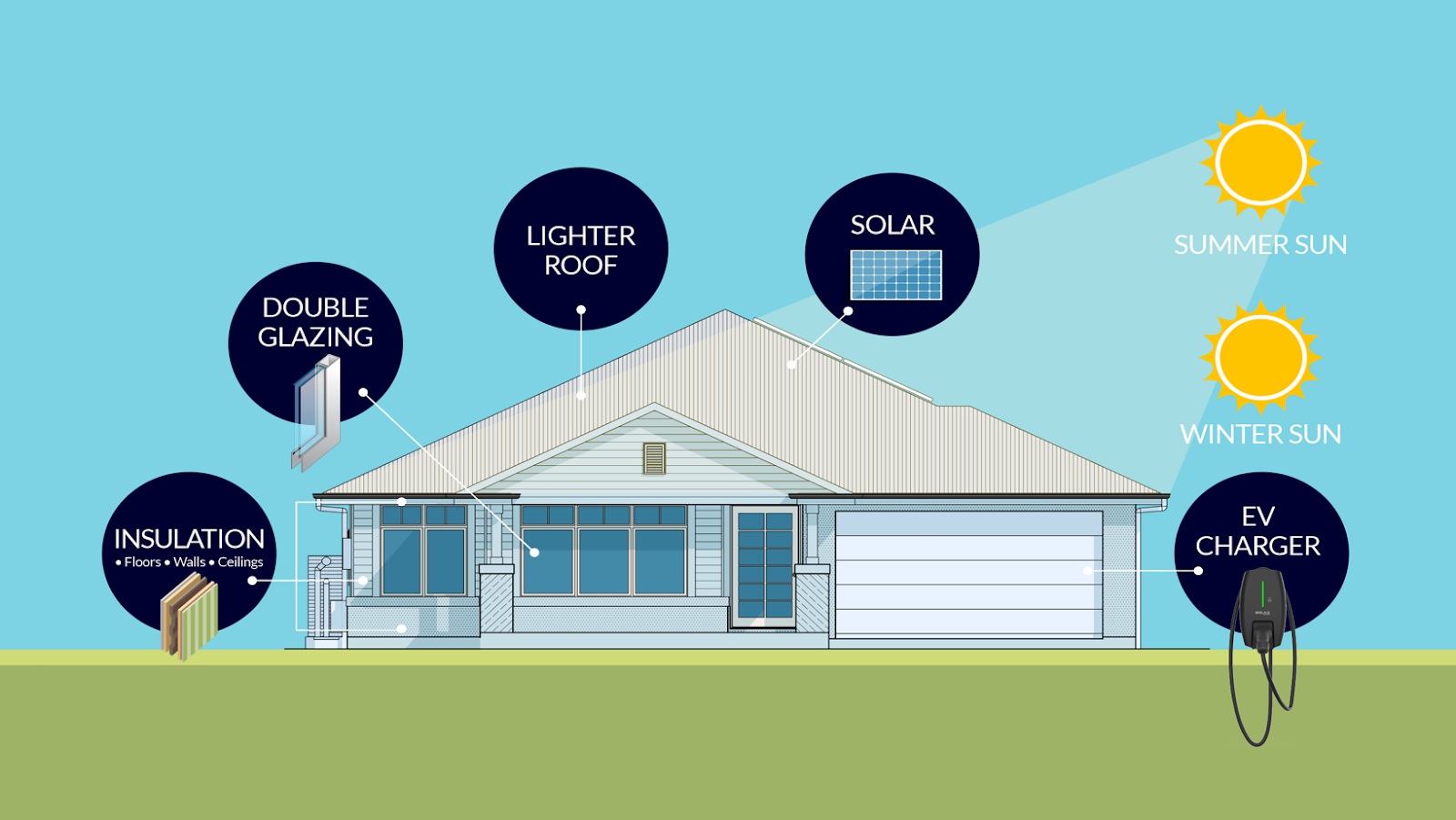
Most lists of home upgrades that pay for themselves focus on resale value. That’s useful if you’re selling next year, but if you aren’t, the number that actually matters is the payback period. This refers to how many months or years until the upgrade has saved you more than it cost.
These are energy-efficient home improvements that earn back their purchase price through lower utility bills, reduced fuel costs, or both. Several start paying you back within the first year. No resale speculation required.
You’ll notice window replacement isn’t on this list. New windows typically cost $15,000 to $30,000 for a full house and take 20 to 30 years to recoup through energy savings alone. They improve comfort and curb appeal, but as a pure payback play, the math doesn’t work. However, some of the steps below can assist you. Here’s what each option costs, what it saves, and how long until you break even.
1. Weatherstripping and Caulking (2 to 6 Month Payback)
The cheapest upgrade on this list and the fastest to pay back. Gaps around doors, windows, and baseboards let conditioned air escape year-round. A tube of caulk and a roll of weatherstripping seal most of them in an afternoon.
Cost: $20 to $75 in materials for a full house. DIY labor only.
Annual savings: $100 to $200 per year in reduced heating and cooling losses, depending on how leaky your home is.
Payback period: Two to six months.
Practical tip: Focus on exterior doors and windows first. Hold a lit incense stick near the frame on a windy day and watch for smoke movement. Anywhere it flickers, you’re losing money. Foam weatherstrip tape works for doors; silicone caulk works for window frames and baseboards.
2. LED Lighting Conversion (3 to 12 Month Payback)
LEDs use roughly 75% less energy than incandescents and last 15 to 25 times longer. If you’re still running a mix of older bulbs, swapping them out is the lowest-effort, highest-certainty upgrade on this list.
Cost: $2 to $8 per bulb. A full-house conversion (30 to 40 bulbs) runs $75 to $250.
Annual savings: $100 to $225 per year for an average household still running a mix of older bulbs, according to the Department of Energy. If you’ve already switched most of your bulbs, the remaining gains are smaller.
Payback period: Three to 12 months.
Practical tip: Start with the bulbs that run the most hours per day, such as your kitchen, living room, and porch lights. Those five or six fixtures account for a disproportionate share of your lighting bill.
3. Low-Flow Fixtures (6 Month to 2 Year Payback)
Replacing old showerheads, faucet aerators, and toilets with WaterSense-labeled models reduces both water consumption and the energy used to heat that water. Modern low-flow showerheads deliver solid pressure at 2.0 GPM or less, which is a significant drop from the 3.5 to 5.0 GPM fixtures in older homes.
Cost: $20 to $50 for showerheads and aerators. $150 to $400 per toilet. A full bathroom retrofit runs $200 to $500.
Annual savings: $100 to $250 per year for a family of four, including both water and water-heating savings. The EPA’s WaterSense program estimates the average family can save 13,000 gallons of water and more than $170 per year with efficient fixtures.
Payback period: Six months to two years.
Practical tip: A $25 low-flow showerhead can save $70 or more per year in water heating alone. Toilets save water but don’t affect your energy bill, so prioritize the fixtures that touch hot water first.
4. Smart Thermostat (1 to 3 Year Payback)
A smart thermostat learns your schedule and adjusts heating and cooling automatically, eliminating the waste that comes from conditioning an empty house. Most models also let you adjust from your phone, so you’re not heating the place all day when plans change.
Cost: $130 to $300 installed. Many utility companies offer $50 to $100 rebates, and some give them away free.
Annual savings: $50 to $180 per year. ENERGY STAR certified models average about 8% savings on heating and cooling bills.
Payback period: One to three years.
Worth noting: The savings depend almost entirely on how inefficient your current habits are. If you already adjust a programmable thermostat religiously, the gains are modest. If you leave the heat on while you’re at work, a smart thermostat will pay for itself in the first winter.

5. Attic Insulation and Air Sealing (3 to 7 Year Payback)
Most homes built before 2000 are under-insulated by current standards. Adding blown-in insulation to the attic and sealing gaps around ducts, plumbing penetrations, and recessed lights can cut heating and cooling costs substantially. The Department of Energy estimates that air sealing and insulation together can reduce heating and cooling costs by up to 15%.
Cost: $1,500 to $3,500 for a typical attic, depending on square footage and existing insulation levels.
Annual savings: $200 to $600 per year.
Payback period: Three to seven years.
Practical tip: Get an energy audit first. Many utilities offer them free or at reduced cost, and the auditor will pinpoint your biggest air leaks. Sealing those leaks before adding insulation is critical; insulation slows heat transfer, but air sealing stops the convective losses that insulation can’t fix.
6. Heat Pump Water Heater (3 to 7 Year Payback)
A heat pump water heater doesn’t generate heat directly. It pulls warmth from the surrounding air and transfers it to the water, working like a refrigerator in reverse. This makes it two to three times more efficient than a standard electric resistance tank.
Cost: $1,500 to $3,500 installed. Some state and utility programs offer rebates that can bring the out-of-pocket cost under $2,500. Check your local utility’s incentive page, since programs vary widely by region.
Annual savings: $200 to $550 per year compared to a conventional electric water heater, according to Energy.gov. Savings are lower if you’re replacing a gas unit, since natural gas is cheaper per BTU in most markets.
Payback period: Three to seven years before rebates. State incentives can shorten this significantly.
Watch out for: Heat pump water heaters need space; they pull warmth from ambient air, so they work best in garages, basements, or utility rooms with at least 700 cubic feet of airspace. They’re also louder than conventional tanks. In cold basements during winter, the cool exhaust air they produce can be a minor drawback.
7. Heat Pump HVAC System (4 to 10 Year Payback)
A whole-house heat pump handles both heating and cooling in a single system. Modern cold-climate models work efficiently down to -15°F, making them viable in most of North America. They move heat rather than generating it, which is why they use roughly 50% less energy than conventional furnace-and-AC setups.
Cost: $4,000 to $12,000 installed for a ducted system, depending on home size and climate zone. Many state and utility programs offer $1,000 to $5,000 in rebates.
Annual savings: $300 to $1,500 per year depending on what system you’re replacing and local energy prices. The biggest savings come from replacing electric resistance heating or aging oil furnaces.
Payback period: Four to 10 years. Rebates and high energy prices in your area can shorten this to three to five years.
Practical tip: If your existing ductwork is in decent shape, a ducted heat pump is the straightforward choice. If you’re in a home without ducts (or you want to condition specific zones), ductless mini-splits are often cheaper to install and let you heat or cool individual rooms independently.
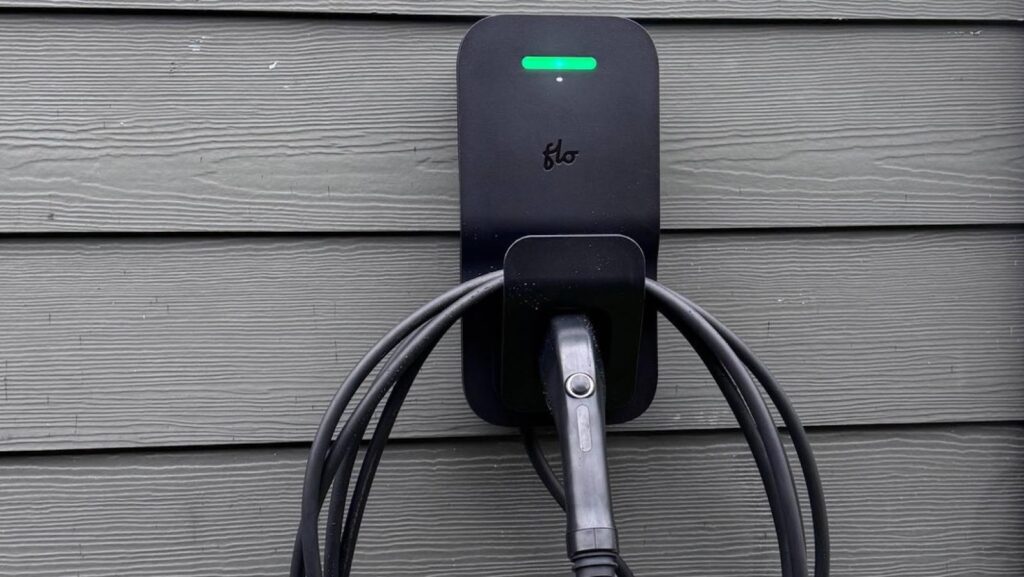
8. Home EV Charger (1 to 4 Year Payback)
If you already own or are buying an electric vehicle, a Level 2 home charger (240-volt) eliminates trips to public charging stations and their premium per-kWh pricing. Home electricity rates are typically 40% to 60% cheaper than public fast-charger rates, and overnight charging during off-peak hours can widen that gap further.
Cost: $500 to $2,000 for the unit and installation. Some state and utility rebates can reduce the net cost.
Annual savings: $200 to $500 per year in charging costs versus relying on public stations. That’s on top of the $800 to $1,200 per year you’re already saving by driving electric instead of gas.
Payback period: One to four years, depending on how often you currently use paid public charging.
Practical tip: Hardwired installations are more reliable and often required to qualify for rebates. If you’re considering setting up a hardwired Level 2 charger at home, get quotes that include the panel capacity assessment. Some older homes need a load management device or circuit upgrade to handle the 40- to 60-amp draw, which adds to the install cost.
9. Solar Panels (7 to 14 Year Payback)
Rooftop solar offsets some or all of your electricity bill, and in many areas net metering lets you sell excess generation back to the grid at retail rates. Panel costs have dropped roughly 70% over the past decade, making the economics far more favorable than even five years ago.
Cost: $15,000 to $25,000 for a typical 6 to 10 kW residential system. State incentives and utility rebates vary widely, so check your state’s energy office or the DSIRE database to see what’s available in your area. According to the National Renewable Energy Laboratory, installed costs continue to trend downward.
Annual savings: $1,000 to $2,500 per year depending on system size, local electricity rates, and sun exposure.
Payback period: Seven to 14 years in most markets. Under eight years in areas with high electricity rates, strong net metering policies, and generous state incentives.
Practical tip: Run the numbers for your specific address using Google’s Project Sunroof or a similar tool before talking to installers. Your roof orientation, shading, and local utility rates matter more than national averages. South-facing roofs with minimal shading see the fastest payback.
Where to Start: The Best Order for Home Energy Upgrades
The smartest approach is to start with efficiency and work toward generation. Every dollar you save on waste makes your bigger investments work harder.
- Under $500: Weatherstripping, LEDs, low-flow fixtures, and a smart thermostat. These four cost $300 to $700 combined, can save $400 to $800 per year, and most pay for themselves within 12 months. There’s no reason not to do these immediately.
- $1,500 to $5,000: Attic insulation and air sealing deliver the next-best return. A heat pump water heater makes sense here too, especially if your current tank is aging. If you already own an EV, a Level 2 home charger belongs in this tier.
- $5,000 to $25,000: A heat pump HVAC system and solar panels fill out the higher end. The key insight at this budget: pair solar with electrification. Every appliance you switch from gas to electric becomes cheaper to run once your roof is generating power. That’s how you get to a near-zero energy bill without overspending on any single upgrade.
The first dollar spent on efficiency is always the best dollar. Seal the envelope, eliminate waste, then generate. That sequencing gets you to net-zero utility costs faster and cheaper than doing it in any other order.
Frequently Asked Questions
Which home upgrades have the fastest payback period?
Weatherstripping and caulking pays for itself in as little as two months. LED lighting conversion and low-flow fixtures are close behind, with most households breaking even within a year. These three upgrades cost under $500 combined and require no professional installation.
Are heat pumps worth it in cold climates?
Yes. Modern cold-climate heat pumps operate efficiently down to -15°F. The biggest savings come from replacing electric resistance heating or aging oil furnaces, where the 50% reduction in energy use translates to $500 to $1,500 per year in lower bills.
How much does a smart thermostat save per year?
ENERGY STAR certified smart thermostats average about 8% savings on heating and cooling bills, which works out to $50 to $180 per year for most households. The actual number depends on your climate, energy rates, and how manually you managed your old thermostat.
Do solar panels still pay for themselves without federal tax credits?
They can, but the timeline is longer. Without the federal investment tax credit, payback extends to 10 to 14 years in most markets. State incentives, utility rebates, and strong net metering policies can still bring that under 8 years in high-rate areas. The economics improve further if you’ve already electrified your heating and water heating, since your solar offsets a larger share of total energy use.
— NOTES FOR EDITOR —
Suggested URL slug: /home-upgrades-that-pay-for-themselves
Suggested meta description: These nine energy-efficient home upgrades pay for themselves in two months to 14 years. See the real costs, annual savings, and exact payback period for each one.
Image alt text:
Featured: House cross-section diagram showing home upgrades that pay for themselves
Smart thermostat: Smart thermostat mounted on a wall displaying temperature
EV charger: Level 2 home EV charger installed on residential exterior wall with green indicator light
