
Time is the ultimate thief,especially during the first weeks with your little one. It’s a whirlwind and a blur of diaper changes, late night feeding sessions and some sprinkles of tiny milestones that become more noticeable during the nights. It’s both frightening and fulfilling to see how your baby has grown in such a small span of time. It can’t be helped that there will be concerns, so it’s very important to prepare yourself, educate yourself of the week by week development newborn timeline. Watching them grow and adjust to the outside world, seeing new skills, reflexes, and changes that contributes to their healthy development and helps them thrive in this new world.
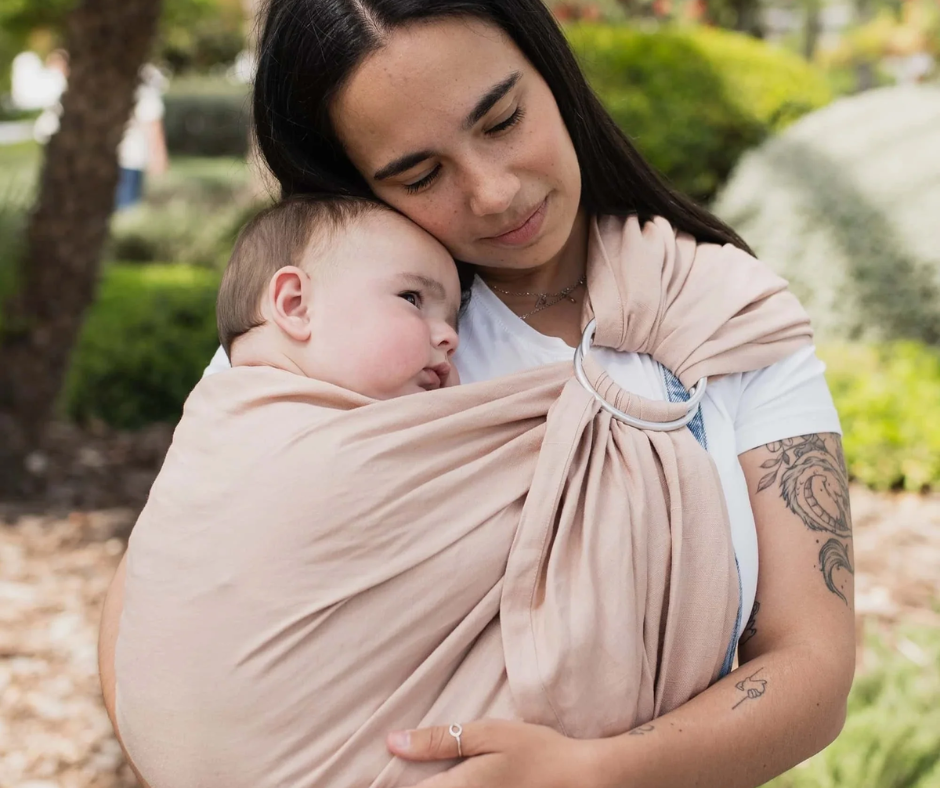
Since the time in the womb, the baby feels snuggled, in a warm surrounding and just feels like wrapped up for the longest time. Given this, after being birthed to the world, they crave and long for the same feeling of closeness, warmth and security. This is where many parents find the support of a baby sling carrier the most efficient. Supporting the bond and helping with mobility, it’s a really versatile tool to have during this time. There are many benefits that the baby gets from being held close, it keeps their temperature well regulated, and also their breathing, it’s also very practical that you can practically move around while still keeping your little one close and held. As time flows through the natural week by week development newborn progression, babywearing can really make things so much easier for you. You can easily watch their cues, support their feeding routines and immediately bring comfort at times when they’re becoming fussy.
Understanding the Newborn Developmental Timeline
Development in newborns happens at an extremely rapid phase, just like a blink of an eye, they’re suddenly doing things that you think they can’t. This could be overwhelming especially for new parents, but there is a predictable pattern that is commonly observed in many babies. Babies progress through key milestones in a short span of time, these milestones are commonly related to reflexes, sensory awareness, sleep habits, feeding, and early communication, these are very important to their holistic development. Although each child are unique in their own special ways, they develop in certain paces, having an understanding of a general framework to use as guide can help you know what to expect and what typically happens, and when is the time that you should be seeking guidance and help from your healthcare provider.
The first four weeks of your little one’s life is more on the adaptation to the outside world where they start to learn how to move more independently, very much different from when they’re inside the womb. Once they’re out their brain starts to form like millions of new neural connections in every day. They are also engaging more with their senses, especially touch, smell and hearing. Keeping these developments in track, these week by week development newborn stages can help you see how you can properly support your child’s growth with routine, nurturing and some gentle stimulation. Every day is a chance for them to learn something new not only about this world but also about themselves.
Week 1: Essential Reflexes and Adaptation to Life Outside
It’s all about survival, during the first week of a newborn’s life they strongly showcase and develop their survival instincts.
-
Sucking reflex
-
Rooting reflex
-
Grasp reflex
-
Moro/startle reflex
At this time your baby is also at the phase of learning how to properly regulate their breathing, feeding and temperature. They also have a long time sleeping it lasts about 14- 17 hours every day and only waking to eat. They also don’t have a great vision, as it’s still blurry. High contrast images are highly recognizable for them along with the sound of your voice. Since they’re used to the snuggle feeling inside of the womb, being held and given skin-to-skin contact is extremely helpful for them as they go through this phase of transition.
Week 2: Gaining Weight and Focusing on Faces
It’s normal for babies to lose weight after being out of the womb, but not to worry because they gain it back usually by week two. They start to regain their birth weight back and establish a more predictable feeding pattern. They are becoming experts at sucking as it becomes more coordinated for them, and they now start to rely more on cluster feeding or short, frequent feedings depending on their needs.
A big milestone this week is the advancement to their facial focus, they have increasing interest with your face or the faces of the people around them. They start to stare at faces at longer moments, about 8- 12 inches away, this is the natural distance while feeding. There are also moments when you will notice they can hold even a brief eye contact with you. They are starting to get increasingly curious about high-contrast shapes, and can stay awake for longer hours, to play or just stare around the surroundings.
At this moment, baby wearing is an ideal thing to practice as it helps keep your little one closer to your face. If you’re doing this, it creates a lot of opportunities for bonding and visual engagements throughout the day. Your familiar movement, heartbeat and breathing give your child comfort and healthy development at these stages of week by week development newborn stages.
Week 3: Increasing Alertness and Social Response
Upon reaching the third week, your baby becomes more active and noticeably more alert especially during the day. They also start to respond to familiar sounds, like your voice or your partner’s. Major development this week is the early signs of social interactions, these small moments that makes your heart flutter. They may slightly widen their eyes, quieting down when they’re spoken to, somewhat like listening, or turning their heads toward sounds or towards people talking. Other visible developments can include,
-
Slightly stronger neck control, you can see them really trying even though it could be wobbly
-
Clearer sleep and wake cycles
-
Can move their arms and legs more
-
They are also trying more to lift their heads during tummy time.
It’s kind of funny how newborns don’t really know how to “social smile” yet, but there are attempts to make those small expressions that resembles smiling. It’s truly heart warming.
Week 4: First Coos and Intentional Interactions
This is where things will get more interesting, at the four-week mark, your baby will show the earliest signs of trying to communicate with you. Those soft cooing sounds, gurgling sounds, or vowel-like sounds are the start of it. These are your baby’s first intentional vocal experiments a huge milestone in the week by week development newborn journey to the outside world. Aside from this, there are other exciting developments during this time,
-
Longer wake hours
-
Neck and upper body muscles are stronger
-
Feeding and sleeping patterns are more organized although there could still be some unpredictability
-
Facial movements are more expressive
Your newborn can also start reacting more clearly to the tone of your voice, gentle play and facial expressions.
Key Physical Milestones to Watch For Each Week
Throughout this first month, the physical growth happens rapidly and steadily, there are a lot of visible changes that’s happening to them, they’re not just the sleepy peanut by the end of the month. Some milestones include,
-
They have much better head control, but they’re still learning and their control is practiced with time.
-
Improved limbs coordination
-
Gains weight, usually about 4- 7 ounces per week
-
More sensitivity to sensory input
-
Intentional movements are observed, rather than movements driven by reflexes only.
If you’re not a first-time parent you know the importance of having enough tummy time, especially at this stage. But you’re a first timer, let us explain its importance to you. Even a few minutes a day of having tummy time, it can help encourage a good development of the neck, back and shoulder muscles, which in turn supports the long-term motor skills of your little angels.
Tracking and Understanding Feeding and Sleep Patterns
The first month of life can be said to be the most chaotic, but there are patterns that gradually emerges as time goes by,
-
Feeding
-
Newborns eat almost 8- 12 times per day. Being able to properly feed supports,
-
Proper weight gain
-
Bonding
-
Brain development
-
Regulation of blood sugar and digestion
-
Growth spurts can also happen by the weeks 2 and 4, causing a temporary increase in the feeding frequency of your little ones.
-
Sleep
In a span of 24 hours, a typical newborn sleep cycle lasts about 14- 17 hours, but mostly in shorter bursts. Most sleep patterns are highly affected by hunger and how comfortable they are, rather than a routine.
Tools like simple tracking apps or a notepad can help you identify your baby’s natural rhythms as their week by week development newborn progression.
When to Contact Your Pediatrician About Development
One baby’s progress in development can be different to another child, and it’s normal to have these variations. But there are certain developmental signs that can be quiet concerning.
-
Your baby isn’t properly gaining weight or continuously losing weight after the first week
-
Extremely long stretches of sleep lasting about 6 hours without feeding during early weeks.
-
Having trouble feeding, poor sucking or plain refusal to eat
-
Very little response to any sound or touch
-
Unusual skin color or persistent jaundice
-
Reduced movement on one side of the body
-
There are very little or not enough dirty and wet diapers as expected
Never ignore the things that makes you feel uneasy. It’s always better to be on the safe side and double check with a health professional than not checking into it, especially with younger children and newborns.
Conclusion
Watching the week by week development newborn progression of your little ones is a remarkable period and a truly magical one that will be so much memorable for you. Even if your little ones won’t remember the moments of your midnight feedings, you will treasure those moments with you forever, especially when you look back into how fast everything goes by, their newfound abilities, watching them get by those early milestones. You can support them better while giving little grace to yourself in this major time of adjustment and change.
Gentle routines, feeding on demand, and even the use of a baby sling carrier can make this process much smoother and keeps you more connected. As your newborn progresses, every coo, glance and new found movement and quirky habits is a beautiful reminder of the incredible growth that happens day to day.
