
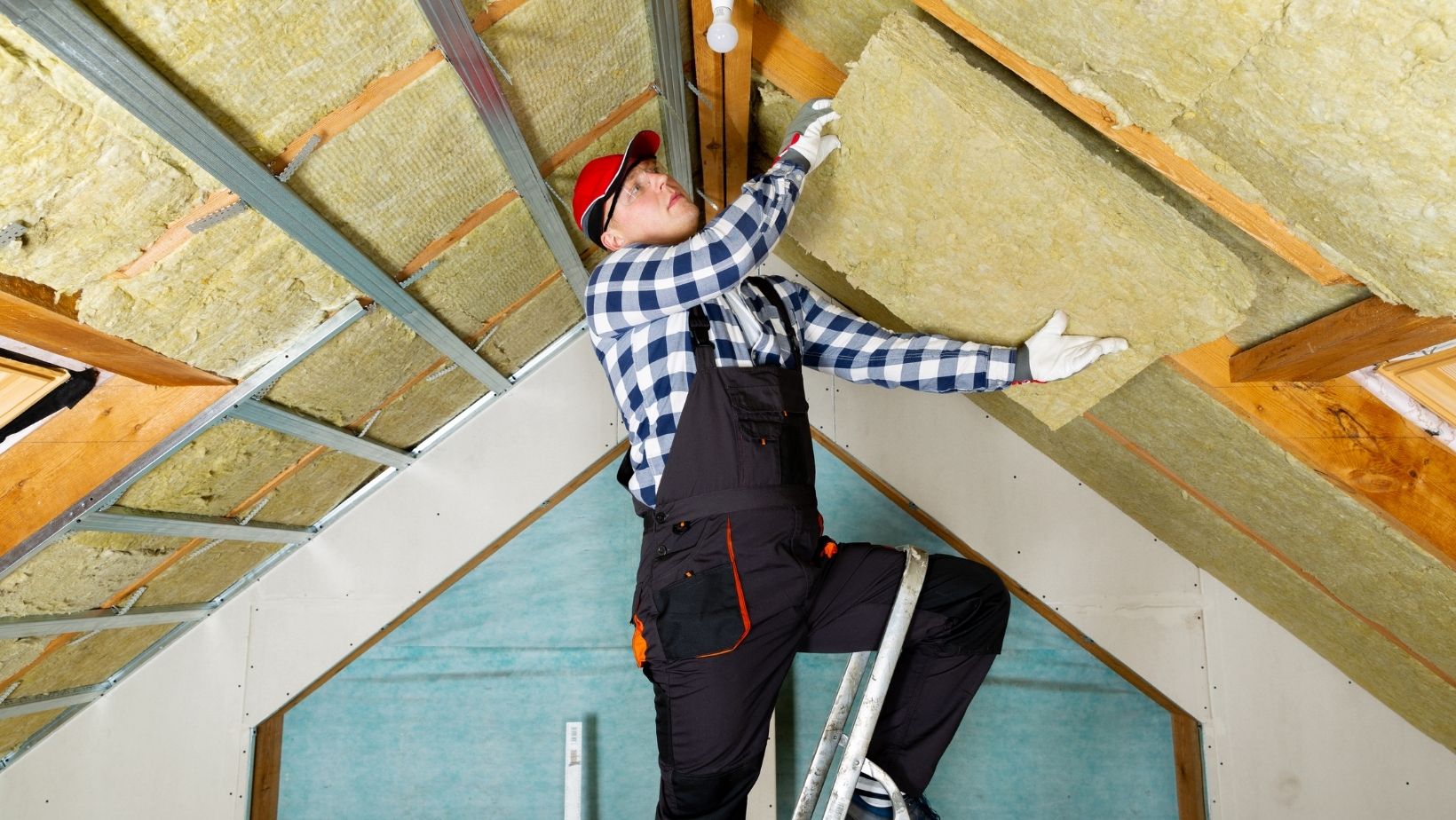
Building regulations and sustainability targets have changed significantly over the past decade, particularly as energy efficiency has become a priority for governments and homeowners alike. Homes are now expected to perform better thermally, use less energy, and contribute to lower carbon emissions over their lifetime. Within this context, advanced insulation plays a central role, helping properties meet regulatory standards while supporting long term environmental goals without sacrificing comfort or practicality.
For homeowners navigating renovations, extensions, or new builds, understanding how insulation fits into this wider framework can make it easier to plan upgrades that are both compliant and future proof.
Why Building Regulations Focus So Heavily On Insulation
Building regulations are designed to ensure that homes are safe, comfortable, and efficient to run. One of the biggest drivers of energy use in residential buildings is heating and cooling, which is directly influenced by how well a property is insulated.
Poor insulation allows heat to escape during colder months and enter during warmer periods, increasing reliance on boilers, heaters, and air conditioning. Regulations therefore set minimum thermal performance standards for walls, roofs, floors, and sometimes even pipework.
As standards have tightened, insulation requirements have become more demanding. Modern regulations aim not just to reduce energy bills, but to lower overall emissions and reduce pressure on national energy systems.
How Advanced Insulation Helps Meet Modern Standards
Traditional insulation methods can struggle to meet today’s regulatory expectations without taking up significant space. Advanced insulation materials offer improved thermal performance within thinner profiles, making it easier to achieve compliance in both new builds and existing homes.
Higher thermal resistance reduces heat transfer through the building envelope, helping properties meet target U values set out in regulations. This is especially important in lofts, external walls, and floors, where heat loss is typically greatest.
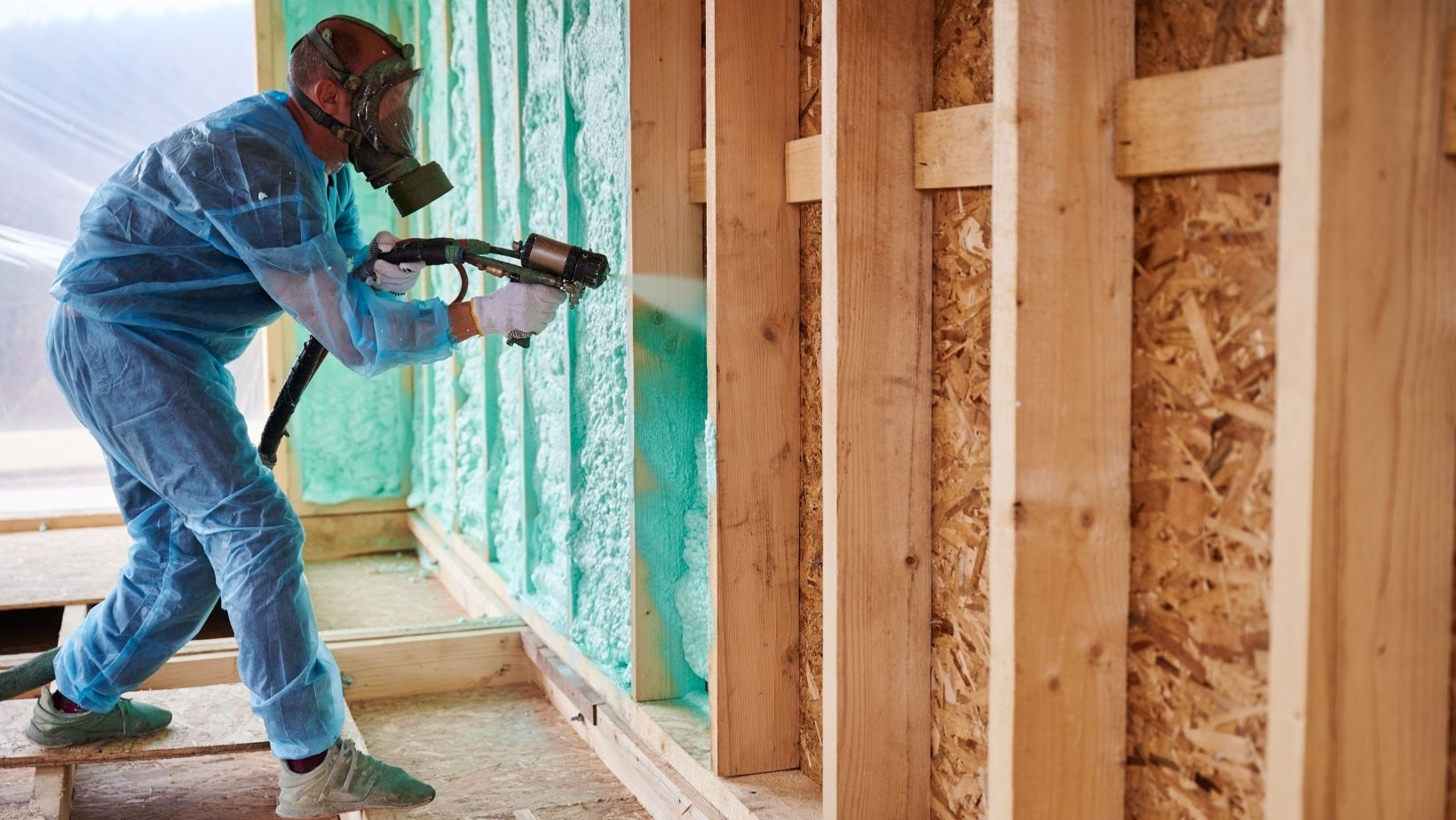
For homeowners working on older properties, advanced insulation solutions can help bring the building closer to current standards without major structural changes, which is often a key concern in period homes or compact layouts.
Supporting Sustainability And Carbon Reduction Goals
Sustainability in housing goes beyond meeting minimum regulations. It is about reducing environmental impact over the entire lifespan of a home. Insulation plays a crucial role by lowering ongoing energy consumption year after year.
When a home retains heat more effectively, it requires less fuel to stay warm. This directly reduces carbon emissions, particularly in homes still reliant on gas or other fossil fuels. Even as renewable energy becomes more common, reducing demand remains essential.
Advanced insulation also supports sustainability by improving the efficiency of low carbon heating systems such as heat pumps. These systems work best in well insulated homes where heat loss is minimal, making insulation upgrades a practical step toward greener living.
The Link Between Insulation And Future Regulation Changes
Building regulations are not static. They evolve as climate targets become more ambitious and construction technology improves. Homes built or renovated to only just meet current standards may struggle to comply with future requirements.
Advanced insulation helps bridge this gap by providing performance levels that exceed minimum thresholds. This reduces the risk of costly upgrades later and makes homes more resilient to regulatory change.
From a homeowner perspective, this can also protect property value. Buyers are increasingly aware of energy performance ratings and running costs, making well insulated homes more attractive in the long term.
Practical Considerations For Homeowners
While regulations set performance targets, how those targets are met can vary. Homeowners should consider where insulation will have the greatest impact. Roofs and lofts are often the most effective starting point, followed by walls and floors.
Attention to detail is equally important. Poor installation can undermine even the best materials, leading to gaps, compression, or thermal bridging. Ensuring continuity of insulation and addressing junctions properly helps maximise both compliance and comfort.
Ventilation must also be considered alongside insulation upgrades. Airtight homes still need adequate airflow to manage moisture and maintain indoor air quality, and regulations often address this balance.
Beyond Compliance, Everyday Benefits
Although building regulations and sustainability goals provide the framework, the benefits of advanced insulation are felt daily. Homes are easier to heat, temperatures are more consistent, and draughts are reduced.
Lower energy demand translates into lower bills, which is increasingly important as energy prices fluctuate. Improved comfort can also make living spaces more usable throughout the year, from warmer bedrooms in winter to cooler rooms in summer.
Over time, these practical advantages reinforce why insulation is not just a regulatory requirement, but a cornerstone of better housing.
Advanced insulation sits at the intersection of building regulations and sustainability goals, helping homes perform better while reducing their environmental impact. By improving thermal efficiency, supporting compliance, and preparing properties for future standards, it plays a vital role in modern housing. For homeowners, investing in effective insulation is not simply about meeting rules, but about creating a more comfortable, efficient, and sustainable place to live.
