
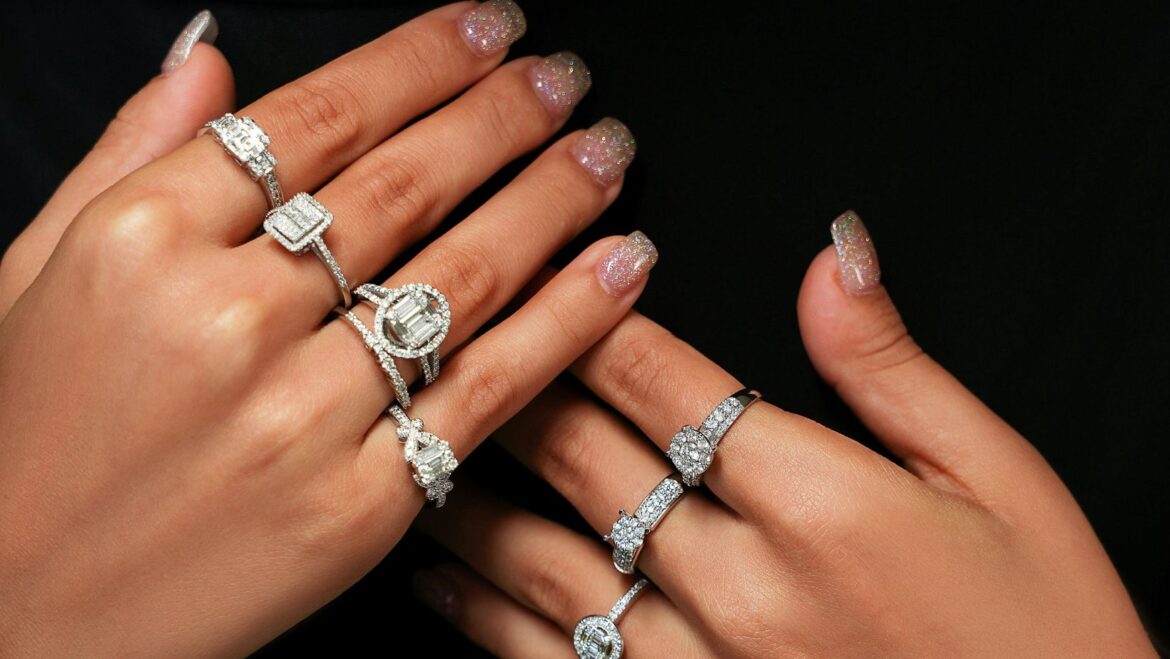
Jewellery has always held a special place in the biggest moments of our lives, especially when it comes to engagements and long term commitments. But what couples look for in their rings has changed dramatically in recent years. Instead of defaulting to traditional choices, many people are exploring more modern alternatives that feel fresh, meaningful and aligned with their values.
This shift reflects the way relationships themselves have evolved. Couples want rings that express their story, suit their lifestyle and reflect their personal beliefs. The idea of choosing something simply because it has always been done that way is fading. Instead, people are embracing options that feel intentional, thoughtful and truly their own.
A big part of this shift has been the rising interest in lab grown diamond rings, which offer modern beauty, transparency and exceptional craftsmanship.
A New Understanding of What Matters
Today’s couples are looking beyond surface level traditions and asking deeper questions. They want to understand what their ring represents, how it was created and what values it reflects. This mindset has led to a broader acceptance of alternatives that might not have been considered a generation ago.
Rather than focusing exclusively on convention, couples are prioritising thoughtful design, personal meaning and sustainable principles. This modern approach makes the ring feel even more special, because it truly reflects who they are.
Style Choices Are Becoming More Personal
Gone are the days when everyone wanted the same look. Social media, online inspiration and the freedom to explore different aesthetics have made couples more confident in choosing rings that reflect their personal style.
Some still gravitate toward timeless solitaires, while others fall in love with elongated stone shapes, geometric designs or delicate, minimalist settings. The beauty of modern jewellery is that there is no right or wrong choice. It is all about what feels true to the couple wearing it.
Technology Is Opening New Possibilities
One of the most exciting aspects of contemporary jewellery is how technology has made high quality alternatives more accessible. Advanced techniques allow for beautiful diamonds grown in controlled environments, offering an option that is visually identical to traditional stones while also appealing to those who value transparency and innovation.
This blend of technology and craftsmanship has reshaped the market, giving couples more choices and more control over what matters most to them.
Values and Meaning Are Taking Center Stage
 Modern relationships often place a strong emphasis on shared values. Couples want their ring to symbolise not just love, but intention. Whether choosing environmentally conscious materials, supporting ethical craftsmanship or selecting a ring with a story behind it, values are guiding more decisions than ever before.
This has made jewellery feel more meaningful. Instead of simply following tradition, couples are choosing pieces that align with the world they want to build together.
Budget Friendly Options Without Compromise
Another reason modern alternatives are becoming popular is the ability to find high quality rings that fit a wide range of budgets. Couples today are balancing financial goals, planning futures and navigating more practical considerations.
Modern jewellery options often provide exceptional beauty and craftsmanship without stretching finances too far. This makes it possible for couples to prioritise both quality and affordability, which feels empowering rather than restrictive.
Customisation Is More Accessible
As engagement rings become more personal, custom details are increasingly sought after. Today, couples can explore a range of custom options, whether that means choosing a unique stone shape, selecting a particular metal or adding subtle elements that make the ring feel one of a kind.
The ability to personalise a ring helps couples create something that truly represents their story. Small touches can carry big emotional meaning, making the moment even more memorable.
A More Relaxed Approach to Tradition
Perhaps the biggest reason modern alternatives are thriving is the shift in mindset around tradition. Couples still appreciate the sentiment behind engagement rings, but they no longer feel confined to a single way of doing things. This freedom allows them to choose what resonates rather than what is expected.
It encourages creativity, individuality and a sense of partnership. When both people feel involved and inspired, the ring becomes a symbol not just of commitment, but of shared identity.
Looking Ahead
As couples continue to embrace meaningful, intentional and modern choices, the jewellery landscape will only grow more diverse. Alternatives that once seemed unconventional have become mainstream, reflecting a wider cultural shift toward authenticity and conscious decision making.
Whether someone chooses a classic design or a modern alternative, the most important thing is that the ring reflects their story. As long as it feels right, it becomes a beautiful symbol of the future they are building together.